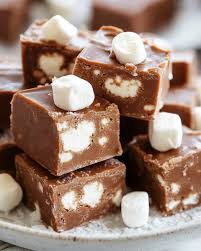
Amalia’s Cake
Amalia’s Cake
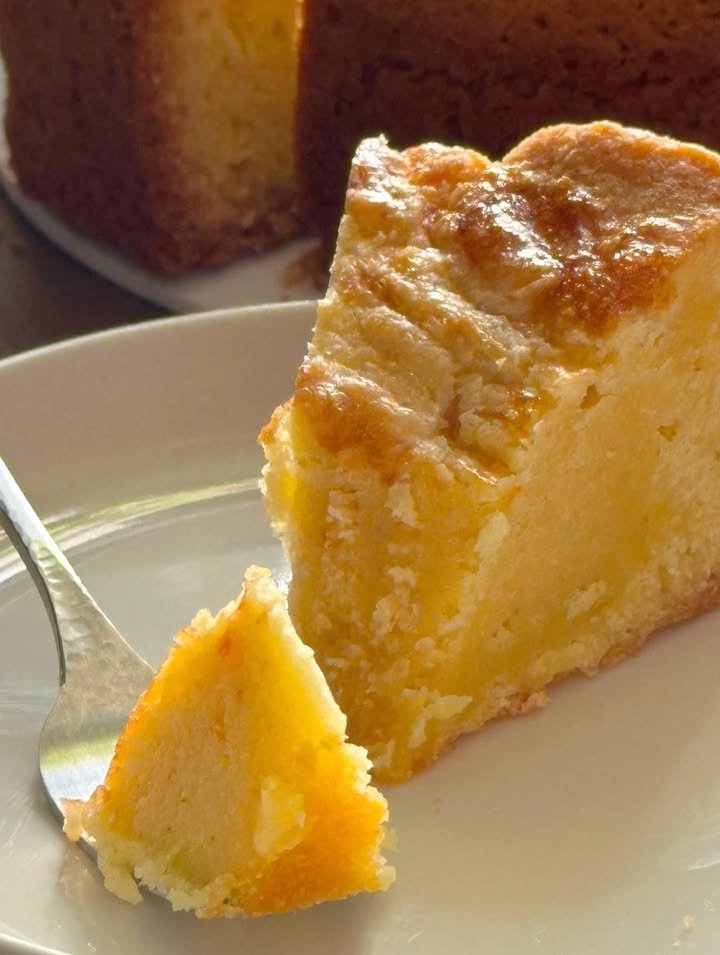
I still remember the first time I made Amalia’s Cake — it was for a last-minute family visit and I had about an hour to pull something together. The kitchen smelled like warm vanilla within minutes, and honestly, that simple comfort was exactly what everyone needed.
This recipe is my cozy, reliable take on a classic. If you want to see the original inspiration that started it all, I sometimes link back to the original post I’ve used: my version of Amalia’s Cake. I’ll tell you everything: the small mistakes I made (yes, I once forgot to soften the butter) and how to get a soft, tender cake every single time.
Why this works for weeknights or celebrations? Keep reading — this amalias cake recipe is approachable and forgiving.
Why Amalia’s Cake Works
- Quick and straightforward — no complicated steps, just straightforward mixing.
- Simple pantry ingredients — flour, sugar, butter, eggs, and milk (you probably already have them).
- Tender crumb and reliable rise thanks to baking powder.
- Beginner-friendly — even if you accidentally overmix once (guilty), the flavors still hold up.
A quick tip I learned: bringing eggs and milk to room temperature helps the batter come together smoothly and gives the cake a lighter texture. If you want some other ideas for simple cakes, I also like this roundup of amazing cake options you can try another day.
Ingredients You’ll Need
- 2 cups all-purpose flour — the structure of the cake.
- 1 1/2 cups granulated sugar — sweetness and some tenderness.
- 1/2 cup unsalted butter, softened — richness and flavor. Don’t skip softening it.
- 1 cup milk — adds moisture; whole milk gives the best texture.
- 3 eggs — lift and richness.
- 1 tablespoon baking powder — the rise agent; be sure it’s fresh.
- 1 teaspoon vanilla extract — the small thing that makes it taste like home.
- 1/2 teaspoon salt — balances the sweetness.
Notes:
- Butter – creates richness and flavor; if you forget to soften it, cut it into small cubes and let it sit for 10–15 minutes.
- Milk – whole milk gives the best result, but 2% works fine.
- Eggs – room temperature eggs incorporate better and help the cake rise evenly.
For another sweet, classic option that’s very similar to this in spirit, check out this take on Amalia’s sugar cake.
Kitchen Tools
- Bowl set (large mixing bowl and a small bowl)
- Electric mixer or whisk
- Measuring cups and spoons
- 9-inch round or 8×8 square cake pan
- Rubber spatula
- Cooling rack
If you’re trying to keep things ultra-simple and tool-light, here’s a handy guide to making cakes with fewer tools: 5-ingredient cake guide.
Step-by-Step Instructions
- Preheat your oven to 350°F (175°C). Grease and flour a cake pan — I like to use a 9-inch round. The oven should be fully up to temp before you pop the cake in.
- In a large mixing bowl, cream together the butter and sugar until light and fluffy. It’ll take 2–3 minutes with an electric mixer; with a whisk, give it a bit more elbow grease.
- Add the eggs one at a time, beating well after each addition. The batter will look glossy and smooth.
- Stir in the vanilla extract.
- In another bowl, combine the flour, baking powder, and salt. Whisk them so the baking powder distributes evenly.
- Gradually add the dry ingredients to the creamed mixture, alternating with milk, and mix until just combined. Start and end with the dry ingredients. Don’t overmix — a few streaks of flour are okay.
- Pour the batter into the prepared pan and smooth the top with a spatula. Tap the pan gently on the counter to release big air bubbles.
- Bake for 30–35 minutes, or until a toothpick inserted into the center comes out clean. The top should be light golden and spring back when touched.
- Allow to cool in the pan for 10 minutes, then turn out onto a cooling rack to finish cooling before serving.
If you want a frosting tip, I sometimes use a richer buttercream inspired by a chocolate-cake technique I love — this helps when you want something fancier: Baileys chocolate cake frosting tips.
Pro Tips for Success
- Let eggs and milk come to room temperature for a smoother batter and better rise.
- Don’t overbeat once the flour’s in — mix just until combined for a tender crumb.
- If the top is browning too quickly, tent with foil for the last 10 minutes of baking.
- Use an oven thermometer if your oven runs hot or cool; it makes a huge difference.
I’ll be honest — I once overmixed this batter because I was chatting on the phone. The cake came out denser than usual but still tasty. So, trust me, it’s forgiving.
Common Mistakes to Avoid
- Overmixing the batter — leads to a tough cake. Stop when the flour disappears.
- Using cold butter — it won’t cream well and you’ll get uneven texture.
- Opening the oven too early — wait at least 25 minutes before you peek.
- Old baking powder — replace every 6–12 months for reliable rise.
Variations and Substitutions
- Vanilla glaze: mix powdered sugar, milk, and a splash of vanilla for a quick shiny glaze.
- Citrus twist: add 1 tablespoon lemon or orange zest to the batter for a bright flavor.
- Dairy-free: swap milk for unsweetened almond milk and butter for vegan butter.
- Add-ins: fold in 1 cup chocolate chips, blueberries, or chopped nuts for variety.
What to Serve With This Recipe
- A scoop of vanilla ice cream for a warm-and-cold contrast.
- Fresh berries or macerated fruit to cut the sweetness.
- A cup of strong coffee or tea — the classic pair.
Storage and Leftovers
- Room temp: Keep the cake covered at room temperature for 1–2 days.
- Refrigerator: Store in an airtight container for 3–4 days.
- Freezer: Wrap slices tightly and freeze up to 2 months; thaw overnight in the fridge.
- Reheating: Warm slices in the microwave for 10–15 seconds to revive that fresh-baked feel.
FAQ (People Also Ask Style)
Q: Can I make this ahead of time?
A: Yes — you can bake it the day before and keep it covered at room temp, or refrigerate up to 3 days.
Q: Can I freeze this cake?
A: Absolutely. Wrap slices or the whole cake tightly in plastic wrap and foil, freeze up to 2 months. Thaw in the fridge or at room temperature.
Q: What’s the best pan to use?
A: A 9-inch round pan works well. An 8×8 square pan is fine too; adjust baking time by a few minutes depending on depth.
Q: Can I substitute oil for butter?
A: You can, but butter adds flavor. If using oil, use 3/4 cup vegetable oil instead of 1/2 cup butter and expect a slightly different texture.
Q: Can I reduce the sugar?
A: You can reduce sugar by about 1/4 cup without major issues, but the cake will be less tender and less browned.
Quick Recipe Summary (Recipe Card Style)
- Prep time: 15 minutes
- Cook time: 30–35 minutes
- Total time: ~50 minutes
- Servings: 8–10
Ingredients:
- 2 cups all-purpose flour
- 1 1/2 cups granulated sugar
- 1/2 cup unsalted butter, softened
- 1 cup milk
- 3 eggs
- 1 tablespoon baking powder
- 1 teaspoon vanilla extract
- 1/2 teaspoon salt
Short steps:
- Preheat oven to 350°F and prepare pan.
- Cream butter and sugar; add eggs and vanilla.
- Mix dry ingredients; alternate adding with milk to batter.
- Bake 30–35 minutes; cool and serve.
Final Thoughts
If you try this amalia cake — whether it’s your first time or your fiftieth — please let me know how it turns out. Don’t stress about tiny mistakes; some of my best cakes came from improv and a forgotten ingredient. Happy baking, friend.