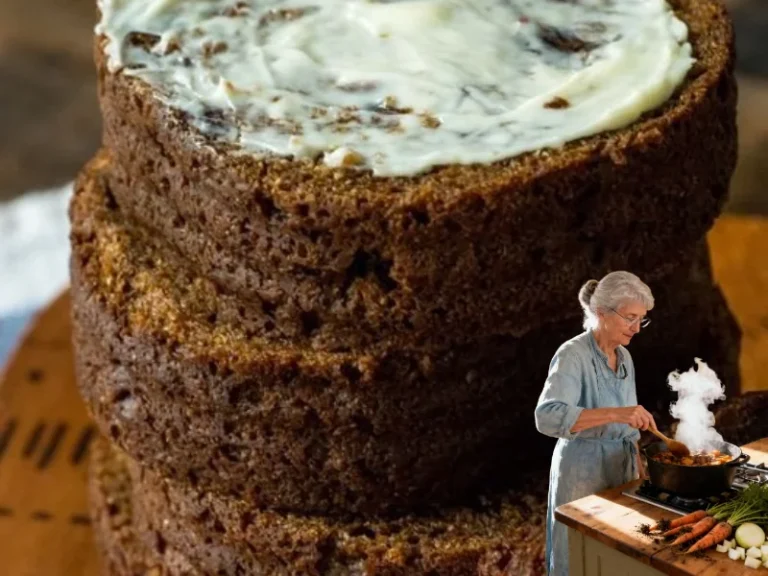
German Rye Bread
German Rye Bread
There’s something so cozy about the smell of a warm loaf baking — and German rye bread does that in spades. The first time I made this, I forgot to set the timer and ended up with a darker crust than planned, but honestly it still tasted amazing. You’ll find this loaf is forgiving and full of rustic charm.
If you like simple, reliable baking that smells like home, this rye bread recipe is for you. And if you want a different kind of German bake to try later, I’ll often pair slices of bread with a slice of German apple cake for a weekend brunch — try it, it’s delightful.
This recipe is a great entry into denser, flavorful loaves and makes a lovely sandwich base or toast for morning butter and jam.
Why This German Rye Bread Works
- Simple ingredients — just rye flour, all-purpose flour, yeast, water, salt, and a touch of honey if you like a hint of sweetness. No strange additives.
- Reliable texture — the mix of rye and all-purpose flour gives you a loaf that’s slightly dense but still sliceable and tender.
- Quick-ish rise — it’s not a multi-day sourdough commitment; you’ll have a loaf the same day.
- Versatile — leave out the caraway if you don’t love it, or add seeds for crunch.
Quick cooking insight: rye flour absorbs water differently than wheat, so the dough will feel stickier at first. Don’t panic — a little extra kneading and a dusting of flour will get it smooth.
(If you like trying other German classics alongside bread, I’ve also written about a classic German cheesecake that’s worth bookmarking.)
Ingredients You’ll Need
- 2 cups rye flour — gives that unmistakable earthy flavor. If you only have dark rye, it’ll be heartier.
- 1 cup all-purpose flour — adds gluten for structure so the loaf slices nicely.
- 1 1/2 teaspoons salt — don’t skip this; it balances the rye’s earthiness.
- 1 teaspoon active dry yeast — the standard kind you proof in water.
- 1 1/2 cups warm water — about 100–110°F (warm to the touch, not hot).
- 1 tablespoon honey (optional) — helps the yeast and adds a mild sweetness.
- 1 tablespoon caraway seeds (optional) — traditional, but optional if you’re not a fan.
Notes:
- If your rye flour is very coarse, you can sift it or mix in a little extra all-purpose for a lighter crumb.
- Honey helps feed the yeast; you can use sugar instead or omit entirely.
Kitchen Tools
- Large mixing bowl
- Small bowl or measuring cup for proofing yeast
- Wooden spoon or sturdy spatula
- Clean surface for kneading (or a stand mixer with dough hook)
- Loaf pan (greased) or baking sheet if shaping free-form
- Kitchen towel or plastic wrap
- Instant-read thermometer (optional)
Step-by-Step Instructions
- In a large bowl, mix 2 cups rye flour, 1 cup all-purpose flour, and 1 1/2 teaspoons salt together. Stir so everything’s evenly combined.
- In a separate bowl, dissolve 1 teaspoon active dry yeast and 1 tablespoon honey (if using) in 1 1/2 cups warm water. Let it sit for about 5–10 minutes until frothy — that’s your sign the yeast is alive.
- Gradually add the yeast mixture to the flour mixture, stirring until a shaggy dough forms. It will be a bit sticky — that’s okay.
- Turn the dough onto a lightly floured surface and knead for about 10 minutes until the dough becomes smooth and elastic. If it’s too sticky, sprinkle a little flour; don’t add too much or the loaf will dry out.
- Place the dough in a greased bowl, cover, and let it rise in a warm place for about 1 hour or until doubled in size.
- Preheat the oven to 400°F (200°C).
- Punch down the risen dough and shape it into a loaf. Place it into a greased loaf pan. If you prefer a free-form loaf, shape it and place it on a parchment-lined baking sheet.
- If desired, sprinkle 1 tablespoon caraway seeds on top and press them in lightly.
- Bake for about 30–35 minutes until the bread is golden brown and sounds hollow when tapped on the bottom.
- Allow it to cool before slicing — patience is hard here, I know, but cooling finishes the crumb.
Pro tip while the dough rises: you can use that time to prep spreads or even make quick sides like pan-seared sausages. If you want a savory pairing, I sometimes fry up little patties — think fried meatballs (German meat patties) — they go great with rye.
Pro Tips for Success
- Use warm water (not hot) to proof the yeast — too hot will kill it.
- If your kitchen is cold, preheat your oven to 200°F for a couple minutes, turn it off, and set the covered bowl inside to rise.
- Don’t over-flour while kneading. The dough should be tacky but manageable.
- For a crisper crust, put a small pan of hot water on the bottom rack during the first 10 minutes of baking.
Common Mistakes to Avoid
- Using water that’s too hot — kills the yeast. Keep it warm.
- Adding too much flour while kneading — makes the loaf dense.
- Skipping the rise time — bread won’t develop flavor or proper texture.
- Slicing too soon — the interior needs time to set, or it’ll be gummy.
Variations and Substitutions
- Seeded rye: add sunflower or pumpkin seeds to the dough for crunch.
- Lighter loaf: increase all-purpose flour by 1/4 cup if you want a less dense crumb.
- No-honey version: omit honey and proof yeast with just warm water.
- Spiced rye: toss in 1 tsp fennel or extra caraway for a different aroma — and if you like richer desserts after bread, try pairing this with a slice of family German chocolate cake for a special treat.
What to Serve With This Recipe
- Thick slices with butter and jam for breakfast.
- Open-faced sandwiches with smoked salmon, cream cheese, and dill.
- Hearty soups or stews — this bread soaks up brothy goodness.
- Pickles and strong cheeses for a simple platter.
Storage and Leftovers
- Room temperature: keep in a paper bag or wrapped in a clean towel for 1–2 days.
- Refrigerator: not ideal — it dries bread faster. If you must, store in an airtight container for 3–4 days.
- Freezer: slice and wrap tightly, freeze up to 3 months. Toast slices straight from frozen.
- Reheating: warm in a 350°F oven for 8–10 minutes to refresh crust and crumb.
FAQ (People Also Ask)
Q: Can I make this ahead of time?
A: Yes — bake the loaf, cool, then freeze. Thaw slices or the whole loaf in the fridge overnight and reheat.
Q: Can I use instant yeast instead of active dry yeast?
A: Yes. Use the same amount but mix it directly into dry ingredients instead of proofing (though proofing works fine if you prefer).
Q: What if my dough never rises?
A: Check your yeast (it might be old) and water temperature. Yeast should froth in warm water within 5–10 minutes.
Q: Can I substitute whole wheat flour?
A: A little whole wheat is fine (replace up to 1/2 cup), but too much makes the loaf heavy.
Q: Is caraway necessary?
A: No — it’s traditional, but optional. Some people love it, some don’t.
Quick Recipe Summary
Prep time: 15 minutes (plus 1 hour rising)
Cook time: 30–35 minutes
Servings: 8 slices
Ingredients:
- 2 cups rye flour
- 1 cup all-purpose flour
- 1 1/2 teaspoons salt
- 1 teaspoon active dry yeast
- 1 1/2 cups warm water
- 1 tablespoon honey (optional)
- 1 tablespoon caraway seeds (optional)
Short steps:
- Mix flours and salt.
- Proof yeast in warm water (with honey).
- Combine, knead 10 minutes.
- Rise 1 hour.
- Shape, top with caraway if using.
- Bake 30–35 minutes at 400°F.
Final Thoughts
This German rye bread is honest, a little rustic, and really satisfying. If you try it and mess up the first time (I definitely have — I once left a loaf in the sun and it rose too fast), don’t worry. Bread baking is forgiving and always teaches you something. If you make it, tell me how you served it — I love hearing new pairing ideas.
German Rye Bread
Ingredients
Method
- In a large bowl, mix the rye flour, all-purpose flour, and salt together until evenly combined.
- In a separate bowl, dissolve the yeast and honey (if using) in warm water. Let sit for 5–10 minutes until frothy.
- Gradually add the yeast mixture to the flour mixture, stirring until a shaggy dough forms.
- Turn the dough onto a lightly floured surface and knead for about 10 minutes until smooth and elastic, adding flour if too sticky.
- Place the kneaded dough in a greased bowl, cover, and let rise in a warm place for about 1 hour or until doubled in size.
- Preheat the oven to 400°F (200°C).
- Punch down the risen dough and shape it into a loaf. Place it in a greased loaf pan or on a parchment-lined baking sheet for free-form.
- If desired, sprinkle caraway seeds on top and press them in lightly.
- Bake for 30–35 minutes until golden brown and sounds hollow when tapped on the bottom.
- Allow to cool before slicing to finish setting the crumb.