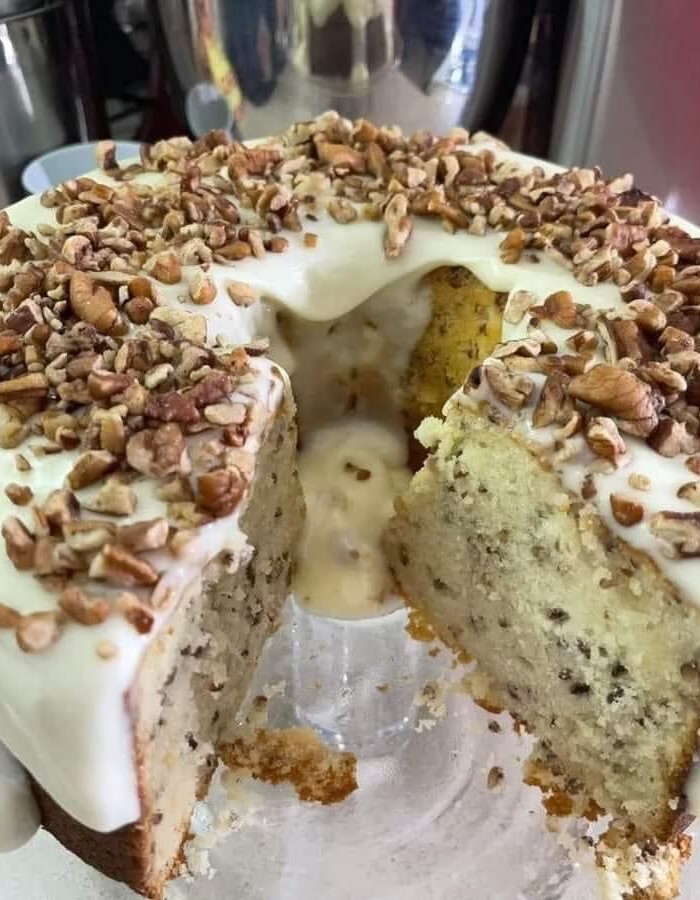
German Stollen
German Stollen
There’s something about a loaf that smells like citrus, butter, and warm spices that instantly makes the kitchen feel like the holidays. This German Stollen is that loaf—fruity, slightly spicy, and dusted in powdered sugar so every slice looks a little festive.
If you want a deeper look at the classic loaf’s background and variations, this short write-up on German Stollen basics is a lovely place to wander. Trust me, it’s worth a read while the dough’s rising.
I’ll be honest: the first time I tried making stollen I forgot to proof the yeast, so my bread barely rose and looked like a sad brick. We live and learn—and this recipe is a reliable, forgiving version that brings the right flavors and texture even if you’re not baking every weekend.
Why this German Stollen recipe works
- Simple ingredients — nothing exotic; if you’ve got a pantry, you’ve got this.
- Balanced fruit to dough ratio — the loaf stays moist without being dense.
- Mild spices and citrus zest brighten the flavor without overpowering the fruit.
- Beginner friendly — no complicated folding or shaping, just a cozy shaped loaf.
Quick insight: letting the dough rise until doubled (don’t rush it) gives you that tender crumb and good fruit distribution. Patience pays off here.
Ingredients You’ll Need
- 4 cups all-purpose flour — main structure.
- 1 cup mixed dried fruits (raisins, currants, sultanas) — soak overnight for extra plumpness.
- 1/2 cup chopped nuts (almonds or walnuts) — for crunch.
- 1/2 cup powdered sugar — for dusting after cooling.
- 1/4 cup sugar — a touch of sweetness in the dough.
- 1 cup milk — warmed to help the yeast.
- 1/2 cup unsalted butter (melted) — richness; use unsalted so you control salt.
- 1 package (2 1/4 tsp) active dry yeast — the lift.
- 1/2 teaspoon salt
- 1 tablespoon ground cinnamon
- 1/4 teaspoon ground nutmeg
- 1/2 teaspoon vanilla extract
- Zest of 1 lemon and Zest of 1 orange — citrus lifts the flavors.
- 2 tablespoons rum (optional) — soak fruit in it for extra depth.
A note: if you soak your dried fruit in rum or warm water for 30–60 minutes (or overnight), it plumps up and makes the loaf juicier. If you want a seasonal spin, swap rum for brandy or orange liqueur.
While you’re prepping, you might enjoy a read about the slightly more festive version often made for Christmas called classic German stollen Christmas bread—it’s fun inspiration.
Kitchen Tools
- Mixing bowls (large + small)
- Measuring cups and spoons
- Wooden spoon or silicone spatula
- Stand mixer with dough hook (optional) or your hands
- Baking sheet lined with parchment paper
- Clean towel or plastic wrap for rising
- Cooling rack
Step-by-Step Instructions
- In a small bowl, combine warm milk and yeast, letting it sit until frothy (about 5–10 minutes). You’ll smell a yeasty, slightly sweet aroma when it’s ready.
- In a large mixing bowl, whisk together flour, sugar, salt, cinnamon, and nutmeg. This blends the spices so they don’t clump.
- Add melted butter, the yeast mixture, vanilla extract, lemon zest, and orange zest to the dry ingredients. Mix until a dough forms. It will be sticky but manageable.
- Knead in the dried fruits and nuts until evenly distributed—about 5–8 minutes by hand or 4–5 minutes in a stand mixer. You want the fruit mixed throughout, not all clumped in the middle.
- Shape the dough into a large loaf (a gentle oval or oblong) and place it on a baking sheet lined with parchment paper.
- Cover and let rise in a warm place until doubled in size (about 1–2 hours). Look for visible puffiness and a soft spring back when pressed.
- Preheat the oven to 350°F (175°C).
- Bake for 30–40 minutes until golden brown and a toothpick in the center comes out mostly clean. The top should smell warm and citrusy.
- Allow to cool slightly before dusting generously with powdered sugar.
- Slice and enjoy warm or at room temperature.
If you want a nuttier spin, try a version based on a German nut stollen variation—adding toasted almonds and a dash of marzipan can be game-changing.
Pro Tips for Success
- Milk temperature: If it’s too hot, it kills the yeast; too cool and it won’t activate. Aim for warm, not hot—about 105–115°F (40–46°C) if you have a thermometer.
- Fruit prep: soak dried fruit for plumper bits and better flavor distribution.
- Don’t over-flour: dough should be slightly tacky; too much flour makes a dry loaf.
- Even baking: if the top browns too fast, tent with foil halfway through.
- Let the loaf cool for at least 20 minutes before dusting so the sugar doesn’t dissolve into the crust.
Common Mistakes to Avoid
- Overproofing: the dough can collapse if left too long—rise until doubled, not tripled.
- Skipping the fruit soak: leads to dry, tough fruit pockets.
- Overworking the dough: knead until smooth but don’t beat the life out of it.
- Using hot milk: kills yeast—proofing will fail if the milk is too warm.
Variations and Substitutions
- Dairy-free: swap milk for almond or oat milk and butter for vegan butter.
- Marzipan core: place a roll of marzipan in the center before shaping for a classic baker-style surprise.
- Spiced twist: add a pinch of cardamom or clove for a bolder spice profile.
- Dessert pairing: serve alongside a lighter cake—if you like German desserts, you might enjoy the texture contrast with this classic German cheesecake.
What to Serve With This Recipe
- A cup of strong coffee or vanilla chai.
- Clotted cream or butter for a richer spread.
- Sliced apples or a fruit compote to brighten it up.
- For brunch, serve with soft cheeses and honey.
Storage and Leftovers
- Room temperature: keep the loaf wrapped in foil or an airtight container for 2–3 days.
- Refrigerator: up to 1 week (wrapped well to prevent drying).
- Freezer: wrap tightly in plastic and foil; freezes well for up to 3 months. Thaw overnight in the fridge, then bring to room temp before serving.
- Reheating: warm slices in a low oven (300°F / 150°C) for 10 minutes, or microwave briefly—watch the texture so it doesn’t dry out.
FAQ
Q: Can I make the dough the night before?
A: Yes. After kneading, place the dough in the fridge overnight for a slow proof. Let it come to room temperature and finish rising before baking.
Q: Can I freeze the baked stollen?
A: Absolutely. Wrap tightly and freeze up to 3 months. Thaw overnight in the fridge and dust with powdered sugar just before serving.
Q: Can I use active dry yeast or instant yeast?
A: This recipe uses active dry yeast; if you use instant yeast, mix it directly with the dry ingredients and reduce proofing time slightly.
Q: What if my stollen is too dense?
A: Likely underproofed or too much flour. Let the dough double and measure flour by spooning into cups rather than scooping.
Q: Can I leave out the alcohol?
A: Yes. Use warm water, orange juice, or simply omit soaking liquid—the fruit will still add sweetness.
Quick Recipe Summary
Prep time: 20 minutes (plus rising time)
Cook time: 30–40 minutes
Servings: about 8–10 slices
Ingredients (short list)
- 4 cups all-purpose flour
- 1 cup mixed dried fruit
- 1/2 cup chopped nuts
- 1/2 cup powdered sugar (for dusting)
- 1/4 cup sugar
- 1 cup milk
- 1/2 cup unsalted butter (melted)
- 1 package active dry yeast
- Spices, zests, salt, vanilla, rum (optional)
Short steps
- Proof yeast in warm milk.
- Mix dry ingredients and add wet ingredients.
- Knead in fruit and nuts.
- Let rise until doubled.
- Bake 30–40 minutes and dust with powdered sugar.
Final Thoughts
If you try this recipe, let me know—especially if you accidentally double the cinnamon like I once did (whoops—still ate it). Don’t worry if your first loaf isn’t picture-perfect; homemade stollen is supposed to look rustic and taste comforting. Happy baking, and enjoy every sugary, citrusy slice.
German Stollen
Ingredients
Method
- In a small bowl, combine warm milk and yeast, letting it sit until frothy (about 5–10 minutes).
- In a large mixing bowl, whisk together flour, sugar, salt, cinnamon, and nutmeg.
- Add melted butter, the yeast mixture, vanilla extract, lemon zest, and orange zest to the dry ingredients. Mix until a dough forms.
- Knead in the dried fruits and nuts until evenly distributed—about 5–8 minutes by hand or 4–5 minutes in a stand mixer.
- Shape the dough into a large loaf and place it on a baking sheet lined with parchment paper.
- Cover and let rise in a warm place until doubled in size (about 1–2 hours).
- Preheat the oven to 350°F (175°C).
- Bake for 30–40 minutes until golden brown and a toothpick in the center comes out mostly clean.
- Allow to cool slightly before dusting generously with powdered sugar.
- Slice and enjoy warm or at room temperature.