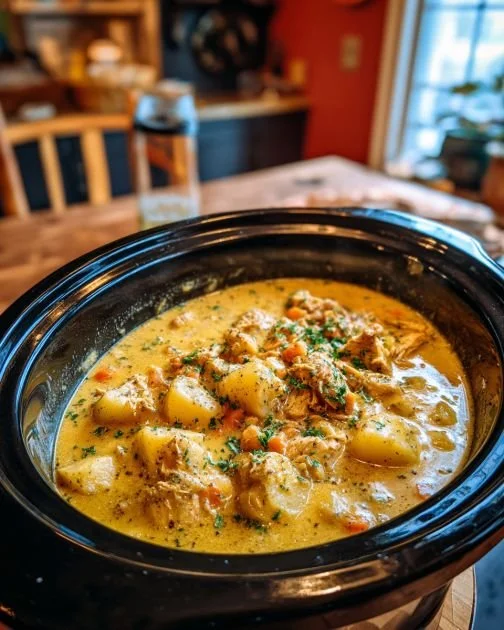
German Roulades
German Roulades
I love a dish that feels like a warm hug, and german roulades do exactly that. These little beef rolls are perfect for a cozy weeknight or a special Sunday dinner when you want comfort without fuss.
The first time I made this, I forgot to tie one roll tightly and the filling tried to escape mid-simmer — lesson learned. Still, everyone loved the sauce, so trust me: even imperfect, this is a winner. If you want a slightly different take on rouladen, check this traditional beef rouladen for more ideas.
Why this recipe works
- Quick-ish comfort — you only need a few minutes of active prep before slow simmering does the rest.
- Simple, familiar ingredients — beef, bacon, mustard, pickles, and onion are all pantry-friendly.
- Deep, cozy flavor — browning the meat first builds savory notes that shine through the gravy.
- Beginner friendly — rolling, browning, and simmering are forgiving techniques.
Quick cooking insight: browning the meat well is the trickiest step but also the most rewarding — it gives the gravy that rich beefy taste.
Ingredients you’ll need
- 1 lb beef flank steak — thin slices work best; ask your butcher to butterfly if needed.
- 4 slices bacon — smoky fat adds flavor and moisture.
- 4 tbsp mustard — German or Dijon both work; spread evenly.
- 4 pickles, sliced — cornichons are traditional, but dill pickles are fine.
- 1 onion, diced — yellow onion for sweetness.
- 2 cups beef broth — low-sodium if you want more control.
- Salt and pepper, to taste — season the outside of the rolls.
- 2 tbsp vegetable oil — for searing.
- 1 tbsp flour (optional) — whisk into the pan to thicken the gravy at the end.
If you’re finishing the meal with dessert, a slice of classic German cheesecake pairs beautifully.
Kitchen tools
- Large skillet or Dutch oven (big enough for all rouladen)
- Toothpicks or kitchen twine (to secure rolls)
- Tongs and wooden spoon
- Measuring cups and a sharp knife
How to make german roulades — Step-by-step
- Lay the beef flat and spread mustard over it. Make sure the whole surface gets a thin layer.
- Place bacon and pickle slices on top of the mustard. Don’t overfill — a thin line of filling rolls more neatly.
- Roll the beef tightly and secure with toothpicks or kitchen twine. Tight rolls hold together better during simmering.
- Season the rolls with salt and pepper. Be modest with salt if your broth is salty.
- Heat oil in a pan over medium heat, and brown the rouladen on all sides. You want a deep, caramelized color — that smell is everything.
- Remove from pan and set aside. Don’t worry if the pan has browned bits; those are flavor gold.
- In the same pan, sauté the diced onion until softened and starting to brown. This adds sweetness to the gravy.
- Add beef broth and bring to a simmer, scraping up browned bits from the bottom.
- Return the rouladen to the pan, cover and simmer for 1.5 to 2 hours until tender. Low and slow is your friend.
- Remove rouladen, and if desired, thicken the gravy by whisking in flour over low heat until smooth. Taste and adjust seasoning.
- Serve rouladen with gravy spooned over the top.
Visual cue: the rouladen are ready when a fork slides in without resistance and the meat feels tender, not rubbery.
Pro tips for success
- Let the beef sit at room temperature for 20 minutes before rolling so it cooks evenly.
- Don’t overcrowd the pan while browning; do it in batches if needed.
- If your pickles are very large, quarter them — tiny bites inside the roll are easier to eat.
- Tie with kitchen twine instead of toothpicks if you plan to slice the rouladen for presentation.
Real-life oops: once I browned the onions until well beyond golden and had to quickly add broth to rescue them. They recovered and the sauce was still great, but keep an eye on them.
Common mistakes to avoid
- Overfilling rolls — they’ll burst while simmering. Keep fillings slim.
- Skipping the browning — you’ll miss out on flavor. Take the extra 5–8 minutes.
- Rushing the simmer — tough meat is the result of too-quick cooking; low and slow makes it melt.
Variations and substitutions
- Spicy twist: add a smear of horseradish or a sliced jalapeño for heat.
- Pork or veal: substitute thin pork loin or veal for the beef if you prefer.
- Vegetarian-ish: try large grilled portobellos stuffed with pickles and smoked tempeh.
- Dessert pairing variation: finish the meal with a slice of family German chocolate cake for a sweet contrast.
What to serve with this recipe
- Mashed potatoes or buttered spaetzle — they soak up the gravy beautifully.
- Braised red cabbage or roasted root vegetables for a traditional feel.
- Crusty bread to mop up every last drop of sauce.
- For a meat-on-meat plate, serve alongside pan-fried patties like these fried meatballs (German meat patties).
Storage and leftovers
- Refrigerator: store rouladen and gravy in an airtight container for 3–4 days.
- Freezer: wrap tightly and freeze up to 2 months; thaw in the fridge overnight before reheating.
- Reheating: gently warm in a pan with a splash of broth to prevent drying out.
If you’re prepping a full German-style meal ahead of time, remember desserts like the classic German cheesecake can be made days in advance and stored in the fridge.
FAQ (People Also Ask)
Q: Can I make rouladen ahead of time?
A: Yes — make them fully, cool, and refrigerate. Reheat gently in the sauce on low heat before serving.
Q: Can I freeze German roulades?
A: Absolutely. Freeze in a single layer before transferring to a freezer bag, or freeze in sauce-safe containers.
Q: What’s the best cut of beef for roulades?
A: Flank steak or thinly sliced top round is great. The key is thin, wide pieces that roll easily.
Q: How do I prevent the rolls from falling apart?
A: Roll tightly and secure with kitchen twine or toothpicks. Don’t overfill and brown them before simmering.
Q: Can I thicken the gravy without flour?
A: Yes — reduce it by simmering uncovered or whisk in a cornstarch slurry (1 tbsp cornstarch + 1 tbsp cold water) for a gluten-free option.
Quick recipe summary
Prep time: 20 minutes
Cook time: 1.5–2 hours
Servings: 3–4
Ingredients:
- 1 lb beef flank steak
- 4 slices bacon
- 4 tbsp mustard
- 4 pickles, sliced
- 1 onion, diced
- 2 cups beef broth
- Salt and pepper to taste
- 2 tbsp vegetable oil
- 1 tbsp flour (optional)
Short steps:
- Spread mustard on beef, add bacon and pickles, then roll and secure.
- Season, brown all over in oil, and set aside.
- Sauté onion in the same pan, add broth, return rolls, then simmer 1.5–2 hours.
- Remove rolls, thicken gravy if desired, and serve.
Final thoughts
If you try these German roulades, tell me how they turned out. Don’t worry if a roll pops or your onions go a touch darker than planned — some of my favorite dinners started with a small kitchen hiccup. Enjoy the cozy comfort.