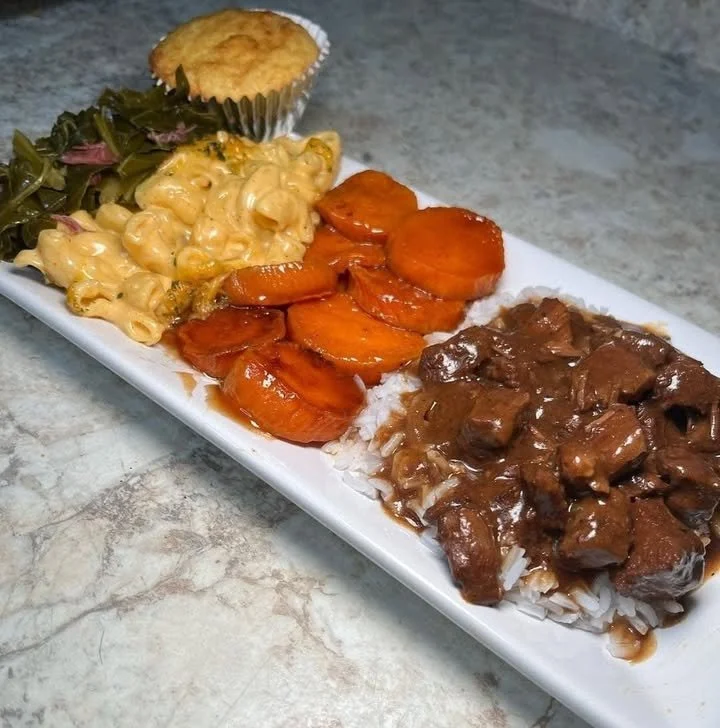
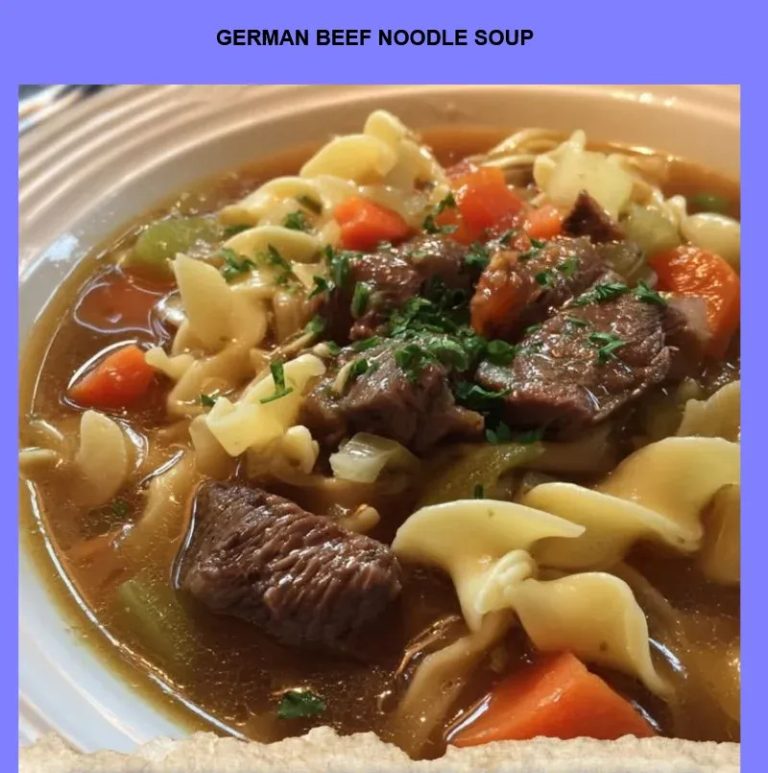
German Sour Roast
German Sour Roast
I remember the first time I marinated a roast for days — I was nervous the vinegar would take over. Turns out, this German sour roast (think sauerbraten-style flavors) hits that perfect sweet-tart spot without being puckery. It’s the kind of dish you make when you want something comforting that also feels like you put in effort, even if you mostly set it and forget it.
If you’re curious about other classic German recipes and want a deeper sauerbraten comparison, check out this classic sauerbraten recipe, which leans into similar marinating and braising techniques.
Why This German Sour Roast Works
- Deep, balanced flavor — the long marinade blends red wine, beef broth, apple cider vinegar, and a touch of brown sugar so the roast gets tangy, sweet, and savory all at once.
- Tender, forgiving cut — using a chuck or round roast means the long braise breaks down connective tissue into silky tenderness.
- Make-ahead magic — the 3–5 day marinade is perfect for prepping ahead for a weekend family meal.
- Simple pantry ingredients — nothing exotic here; you probably have most of this on hand.
Here’s a quick cooking insight: the longer you brown the meat before braising, the more complex the final gravy will taste. I once rushed browning and the sauce lacked punch — lesson learned!
Ingredients You’ll Need
- 3 pounds beef roast (chuck or round) — chuck is fattier and more forgiving; round is leaner.
- 2 cups red wine — dry red like Cabernet or Merlot works well.
- 1 cup beef broth — adds meaty depth.
- 1/2 cup apple cider vinegar — gives that classic sour note.
- 1 onion, chopped — for sweetness and body.
- 2 carrots, chopped — add natural sweetness and texture.
- 2 cloves garlic, minced — fresh is best.
- 2 tablespoons brown sugar — balances the vinegar.
- 2 tablespoons mustard — Dijon or German mustard adds tang.
- 1 teaspoon salt and 1 teaspoon black pepper — adjust to taste.
- 2 bay leaves — aromatic base.
- 4–5 whole cloves — provide warmth; remove before serving.
Kitchen Tools
- Large mixing bowl or measuring dish (for the marinade)
- Large resealable bag or covered dish (for marinating)
- Dutch oven or heavy ovenproof pot with a lid (for browning + braising)
- Tongs, measuring cups/spoons, sharp knife, cutting board
- Fine mesh strainer and saucepan (to make the gravy)
If you love hearty German comfort food, you might also enjoy trying these savory fried meatballs (German meat patties) alongside your roast.
Step-by-Step Instructions
- In a large bowl, mix together the red wine, beef broth, apple cider vinegar, onion, carrots, garlic, brown sugar, mustard, salt, pepper, bay leaves, and cloves. Give it a good stir so the sugar dissolves.
- Place the beef roast in a large resealable bag or a dish and pour the marinade over it. Seal or cover and refrigerate for 3 to 5 days, turning occasionally so the marinade coats the meat evenly. Trust me — a full 3 days makes a big difference.
- When you’re ready to cook, preheat the oven to 325°F (160°C).
- Remove the beef from the marinade and pat dry. Reserve the marinade for later. Patting dry helps the roast brown properly.
- In a large Dutch oven, heat a splash of oil over medium-high heat. Brown the beef on all sides — about 3–4 minutes per side — until you see a rich, deep crust. That aroma is everything.
- Pour the reserved marinade over the beef, bring to a simmer on the stove, then cover and braise in the oven for 2–3 hours, or until the meat is fork-tender. You should be able to slide a fork in and twist; that’s your cue.
- Remove the beef, transfer to a cutting board, and let it rest for 10–15 minutes before slicing across the grain.
- For the gravy, strain the cooking liquid into a saucepan to remove solids, then simmer until thickened to your liking. Taste and adjust seasoning with salt and pepper. If you want a silkier finish, whisk in a knob of butter at the end.
- Serve the beef with the gravy spooned over sliced portions.
Pro Tips for Success
- Marinate long enough — at least 3 days for best flavor; I sometimes go to 4. Don’t go beyond 5 days or the texture can get off.
- Dry before browning — moisture is the enemy of a good crust. Pat the roast dry with paper towels.
- Brown properly — don’t rush; a deep crust adds flavor to both meat and gravy.
- Low and slow braise — 325°F is gentle and consistent. If your roast is particularly thick, add 30–60 minutes.
- Taste the gravy — the marinade is already seasoned, but the sauce may need a pinch more salt or a teaspoon of sugar to balance.
Common Mistakes to Avoid
- Overcooking the vegetables in the marinade — they should flavor the liquid, not turn to mush during marinating.
- Skipping the browning step — you’ll lose depth in the final sauce.
- Letting the oven run too hot — high heat can dry the roast instead of tenderizing it.
- Forgetting to remove the cloves and bay leaves before serving — they’re aromatic but not pleasant to bite into.
Variations and Substitutions
- For a slightly sweeter version, increase the brown sugar to 3 tablespoons.
- Want it spicier? Add 1 teaspoon crushed red pepper or a few juniper berries to the marinade.
- Short on time? You can marinate for 24–48 hours, but the flavor won’t be as developed.
- Want a lighter tang? Substitute half the apple cider vinegar with orange juice for a fruitier brightness — I tried this once and liked the softer edge.
- Pair this roast with something creamy for dessert, like a classic German cheesecake to keep the meal on-theme.
What to Serve With This Recipe
- Mashed potatoes — soak up that gravy.
- Braised red cabbage or sauerkraut — traditional, tangy companions.
- Spaetzle or egg noodles — for a homey carb.
- Roasted root vegetables — carrots, parsnips, and potatoes.
- For dessert, try a slice of this crowd-pleaser: family German chocolate cake.
Storage and Leftovers
- Refrigerator: keeps 3–4 days in an airtight container. Slice the roast before storing to make reheating easier.
- Freezer: the cooked roast and gravy freeze well for up to 3 months. Thaw overnight in the fridge before reheating.
- Reheating: warm gently in a covered pan with a splash of broth or water to loosen the gravy, or reheat slices in the oven at 300°F (150°C) until warmed through.
FAQ (People Also Ask Style)
Q: Can I make this ahead of time?
A: Absolutely. The marinade is designed for make-ahead cooking. Marinate for 3–5 days and braise the day you plan to serve.
Q: Can I use a different cut of beef?
A: Yes — brisket or bottom round can work, but cooking times may vary. Choose tougher cuts for best braising results.
Q: Can I skip the red wine?
A: You can, but wine adds acidity and depth. Substitute with additional beef broth plus a tablespoon of balsamic vinegar if needed.
Q: How do I thicken the gravy?
A: Simmer it down, or whisk in a cornstarch slurry (1 tsp cornstarch + 1 tbsp cold water) and simmer until glossy.
Q: Is this the same as sauerbraten?
A: It’s a close cousin. Sauerbraten often uses a more complex marinade and sometimes includes gingerbread or gingersnap crumbs in the gravy — this recipe keeps things simpler but in the same flavor family.
Quick Recipe Summary (Recipe Card)
Prep time: 10 minutes active + 3–5 days marinating
Cook time: 2–3 hours braising
Servings: 6–8
Ingredients (short list)
- 3 lb beef roast (chuck or round)
- 2 cups red wine
- 1 cup beef broth
- 1/2 cup apple cider vinegar
- 1 onion, chopped
- 2 carrots, chopped
- 2 cloves garlic, minced
- 2 tbsp brown sugar
- 2 tbsp mustard
- 1 tsp salt, 1 tsp pepper, 2 bay leaves, 4–5 whole cloves
Short steps
- Mix marinade and combine with roast.
- Marinate 3–5 days, turning occasionally.
- Preheat oven to 325°F (160°C).
- Pat roast dry and brown all over in a Dutch oven.
- Pour in reserved marinade, cover, and braise 2–3 hours.
- Rest, slice, strain sauce, simmer to thicken, and serve.
Final Thoughts
If you give this German sour roast a try, don’t worry about perfection — I’ve over-marinated and under-browned, and both times we still ended up with a cozy, delicious dinner. Let me know how your roast turns out, and if you tweak the marinade, I’d love to hear your version. Happy cooking!