Tuna Casserole
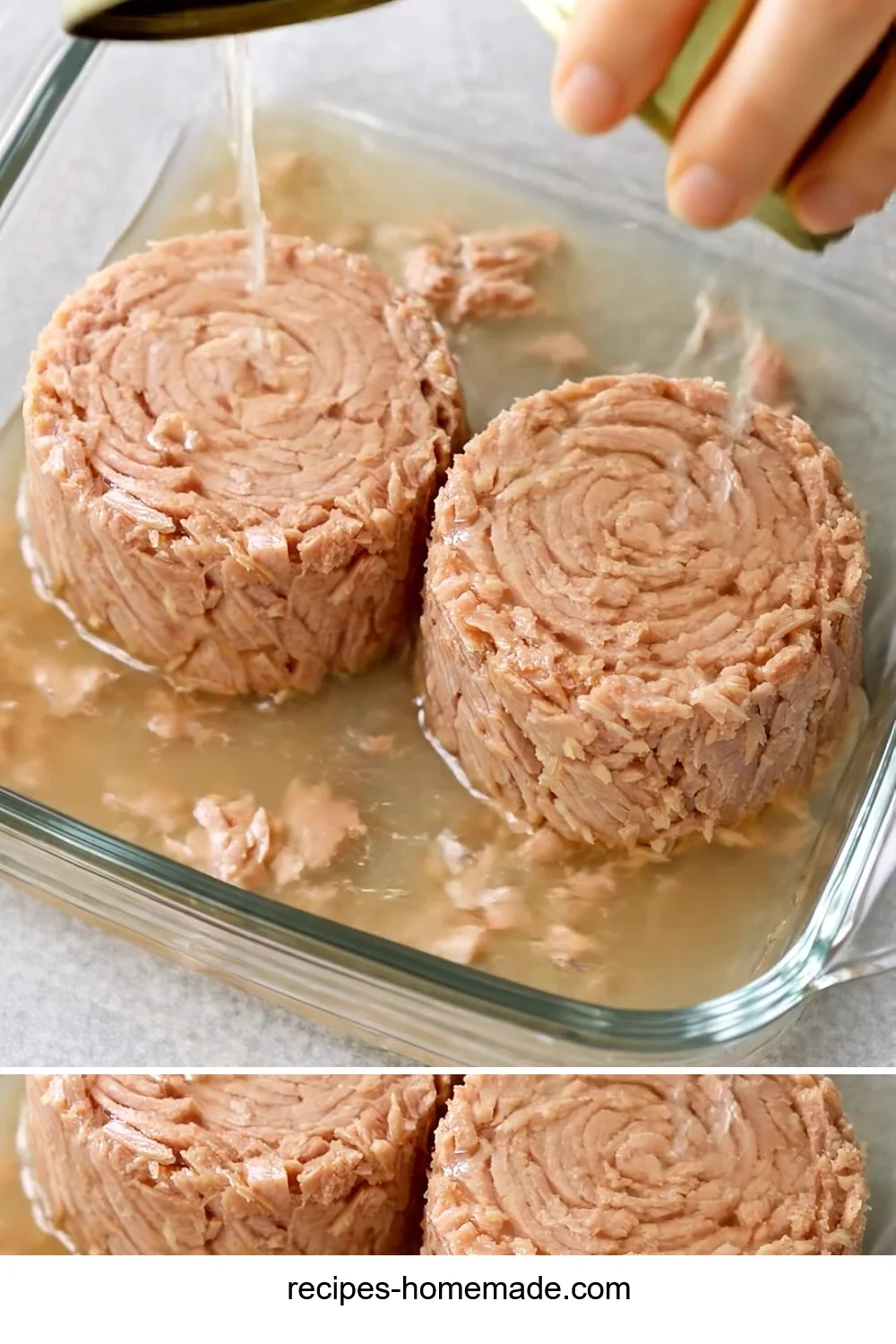
Tuna Casserole saved my sanity more than once during hectic weeks, and if you’re anything like me—rushing kids to practices, juggling budgets, and trying to eat a little healthier—you’ll understand why this humble dish deserves a permanent spot in your rotation. I’ll be honest: this recipe completely rescued our busy weeknights when money was tight and time was scarcer. It’s quick, cheap, and oddly comforting, yet easy enough to feel like a little win at the end of the day.
If you love one-dish dinners, take a peek at our Amish-style casserole for more comfort-food inspiration.
🍽️ Recipe: Tuna Casserole
Ingredients:
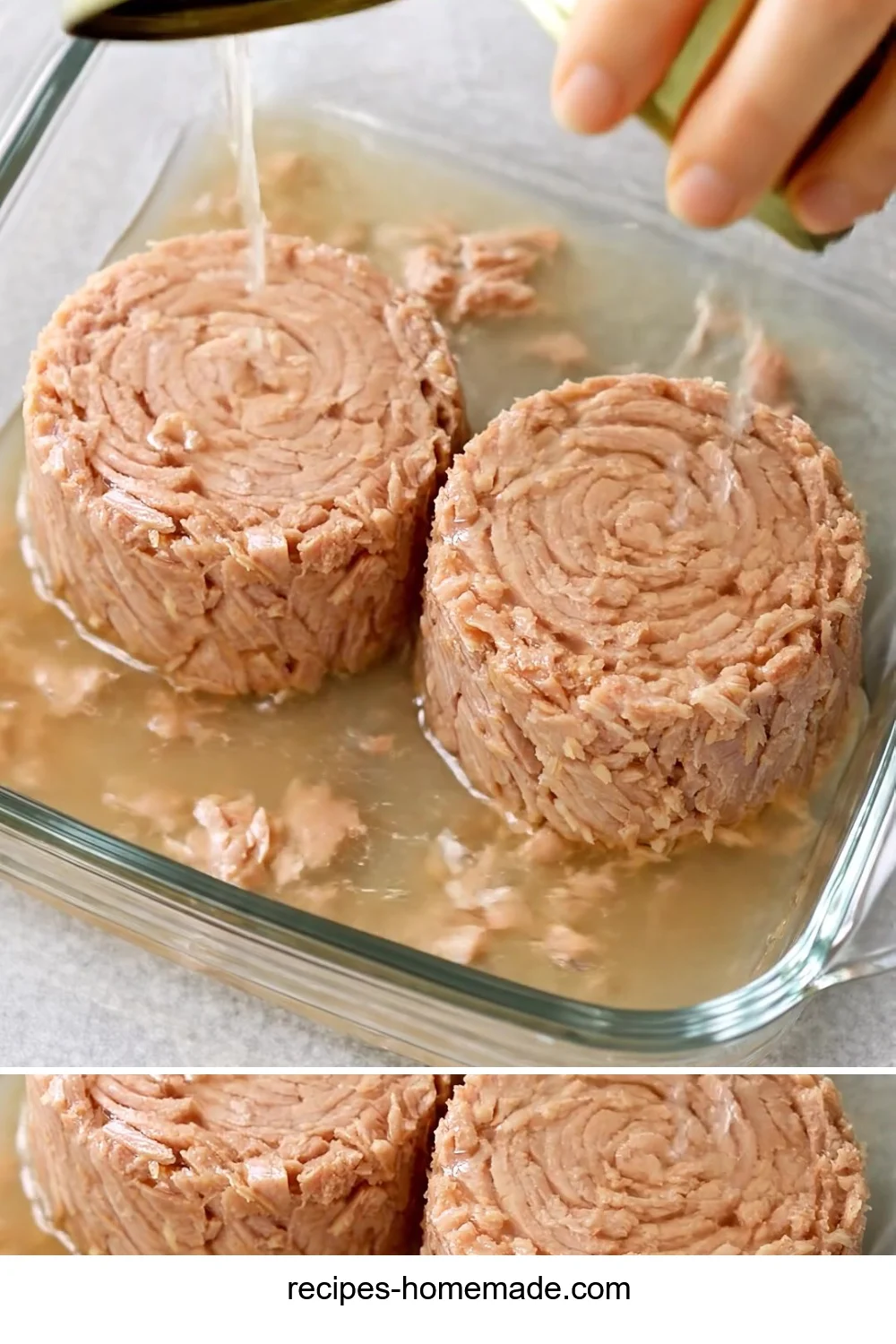
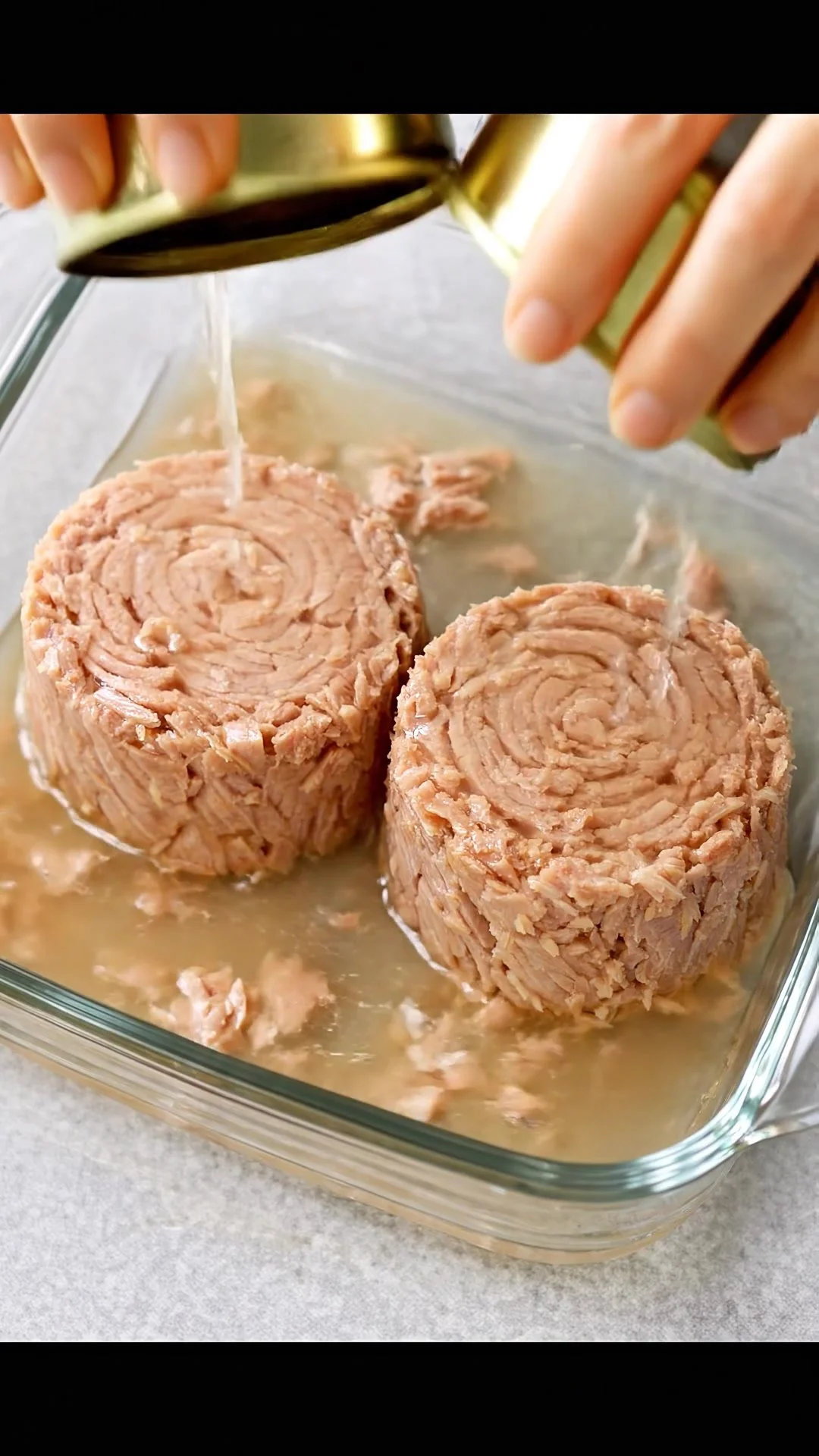
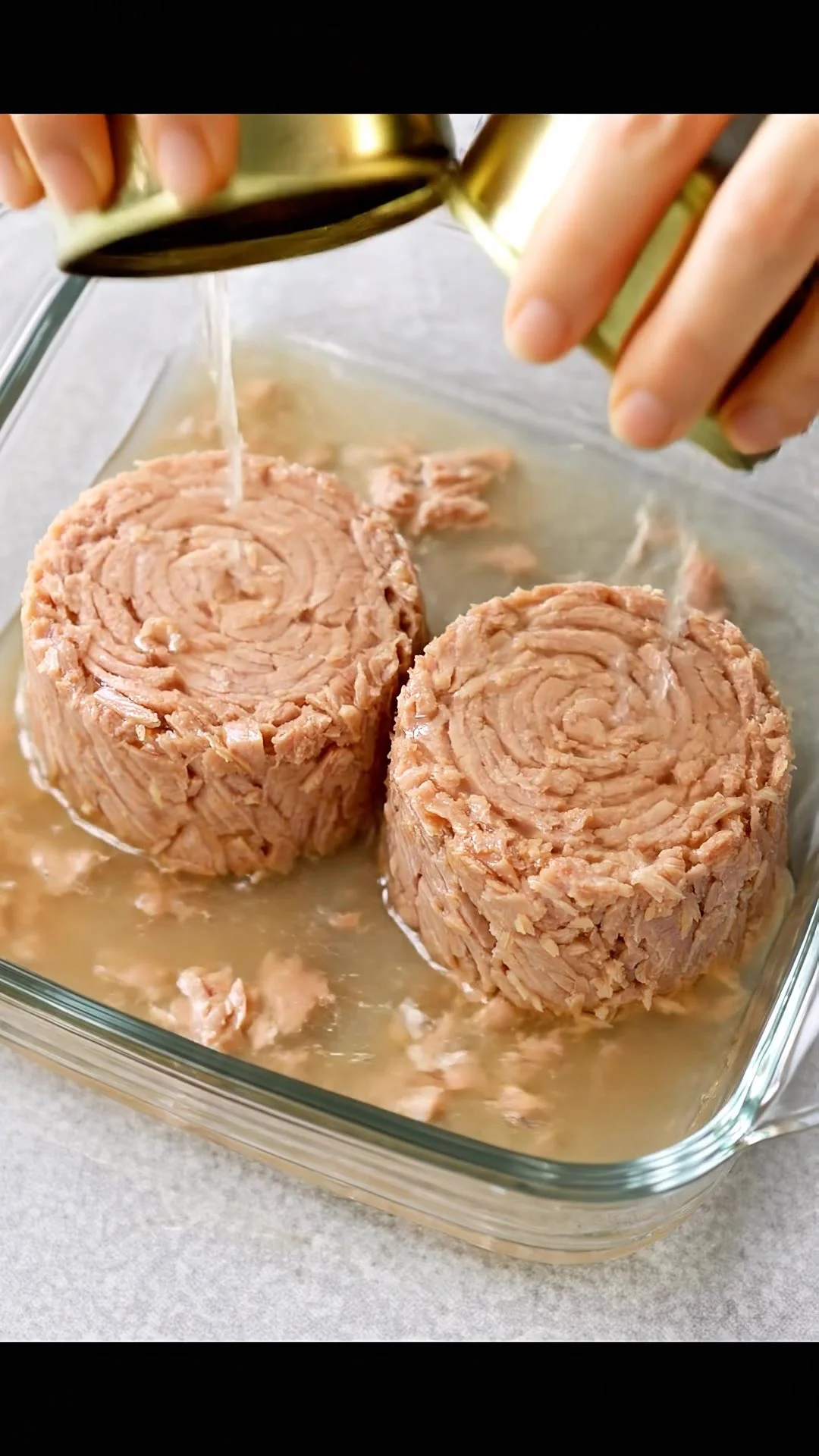
- 2 cans of tuna, undrained
- 1 cup of cooked pasta
- 1 can of cream of mushroom soup
- 1 cup of frozen peas
- 1/2 cup of shredded cheese
- Salt and pepper to taste
Instructions:
- Preheat the oven to 350°F (175°C).
- In a glass baking dish, combine the undrained tuna, cooked pasta, cream of mushroom soup, and frozen peas. Mix well until everything is evenly combined.
- Season with salt and pepper to taste.
- Top with shredded cheese.
- Bake in the preheated oven for about 25-30 minutes, or until the cheese is melted and bubbly. Serve warm.
This Tuna Casserole is intentionally simple. No frills. No long ingredient lists. Just pantry staples that transform into something warm, filling, and wholesome. You’ll be surprised how a few cans and a little oven time turn into a family-sized hug on a plate.
H2: Why This Recipe Is Perfect for Families
- Fast to make: From fridge to table in about 35 minutes. The assembly takes less time than cleaning up a complicated dinner.
- Budget-friendly: You’re using cans and frozen veggies—ideal for cheap family meals without sacrificing flavor.
- Healthy & filling: With lean protein from tuna and fiber from peas and pasta, it’s a balanced plate that satisfies.
- Perfect for busy nights: This Tuna Casserole is a go-to for easy weeknight dinners—no babysitting required while it bakes.
If you want a slightly different protein swap that still keeps things quick, try the bake-and-forget approach we use in our chicken casserole; it’s another crowd-pleaser when schedules are chaotic.
I’ve fed tired teens, cranky toddlers, and exhausted adults with this dish. That look when they take the first bite—the eyes widen, then relax—reminds me that comfort can be both simple and nourishing. This is not “fancy,” but when life is loud, that homely reliability is everything.
H2: Health Benefits of Tuna Casserole
Tuna Casserole isn’t just economical; it can also support healthy eating when you make a few mindful swaps. Here’s how this recipe can be a small health win:
- Boost immune system: Tuna provides zinc and selenium—trace minerals that support immune function. Frozen peas and whole-grain pasta add vitamin C precursors and antioxidants.
- Reduce cholesterol: Using light tuna and a moderate amount of cheese, plus swapping to whole-grain pasta, helps keep saturated fat lower while delivering heart-healthy omega-3s from the tuna that help manage cholesterol.
- Support weight loss: This dish is high protein and filling, which helps control hunger and reduces late-night snacking. Try portion control and pair with a salad for a lower-calorie meal.
- Anti-inflammatory properties: Tuna’s omega-3 fatty acids are naturally anti-inflammatory—great news if you’re trying to reduce inflammation through food.
A quick note: if you want to emphasize the “healthy recipes easy” angle, choose low-sodium soup or make a quick mushroom sauce from scratch with a blender for creamy texture without the excess salt.
H2: Nutrition Facts (Per Serving)
| Calories | Protein | Carbs | Fat |
|—:|—:|—:|—:|
| ~240 kcal | ~17 g | ~16 g | ~6.5 g |
(Estimated per serving; recipe makes about 4 servings. These are approximate values—swap ingredients to suit dietary needs.)
H2: My Favorite Kitchen Tools (Affiliate Section)
I test kitchen tools constantly and only recommend items I actually use when I’m juggling three dinner timelines. These are worth buying if you want to make quick dinner ideas even quicker. They’re top rated 2026 picks from my personal list and are highly recommended for busy families.
- Air Fryer — perfect for quick meals and reheating leftovers to crispy perfection: Air Fryer (best value & highly recommended)
- Compact Oven / Air Fryer combo — great if you want a second oven that’s energy-efficient: Top rated 2026 compact oven
- Blender — for silky sauces, soups, and quick healthy prep: Blender (worth buying) and High-speed blender (best quality)
- Chef’s Knife — essential for chopping veggies fast and safely: Chef’s knife (highly recommended) and Premium chef’s knife (top rated 2026)
- Meal Prep Containers — save time and money by storing portions for the week: Meal prep containers (best value) and Dish sets (worth buying)
Real-life experience: I rely on my air fryer to crisp leftover Tuna Casserole pieces for lunch the next day—instant texture upgrade. The chef’s knife shaves prep time in half, and the meal prep containers make leftovers easy to grab when mornings are chaotic. These items aren’t luxury—they’re practical, and if you cook for family, they’ll pay for themselves.
H2: Money-Saving Tips for Families
Stretching a couple cans of tuna into multiple meals is one of my favorite budget-friendly moves. Here’s how to lower costs and double the value of this Tuna Casserole.
- Cheap ingredient swaps: Use store-brand canned tuna and generic cream of mushroom soup; swap regular pasta for thrift-friendly rotini or macaroni. Buy frozen peas in bulk—frozen veggies are often cheaper than fresh and hold nutrients well.
- Smart leftover usage: Turn leftovers into tuna melts—spoon reheated Tuna Casserole into a buttered English muffin, top with extra cheese, and broil for 2–3 minutes. Perfect quick lunch that feels special.
- Weekly meal prep strategy: Make a double batch on Sunday. Freeze half in meal-sized containers, then defrost in the fridge the day before you plan to eat it. This saves both time and money during rushed weekdays. For stretchable beef-based casseroles that feed a crowd and cost little per serving, check out this hearty beef casserole for inspiration on bulk-cooking.
Little swaps like using a lower-cost cheese or adding an extra cup of peas can reduce per-serving costs while keeping the dish filling. A $10 grocery run can yield multiple dinners when you use these techniques.
H2: Healthy Variations
Tuna Casserole is versatile. A few careful adjustments can transform it into an option that better fits your health goals or diet preferences.
- Weight loss version (include calories): Use 2 cans of tuna packed in water, 1 cup whole-grain pasta (or swap 1/2 cup pasta for 1 cup spiralized zucchini to lower carbs), 1 can low-sodium mushroom soup or homemade low-fat white sauce, 1 cup peas, and skip or reduce cheese. Estimated per-serving calories: ~180–200 kcal. Great for lower-calorie meal plans.
- High-protein version: Add an extra can of tuna or stir in cottage cheese or Greek yogurt (non-fat) to boost protein. Swap regular pasta for a high-protein pasta made from lentils or chickpeas. Per serving protein can rise to 25–30 g. Perfect when you want a satisfying, muscle-friendly dinner.
- Vegetarian / Vegan option: Replace tuna with a can of white beans or crumbled tofu, use a dairy-free cream-of-mushroom alternative or a homemade cashew cream, and top with vegan cheese. This keeps the comfort while removing animal products.
- Kid-friendly version: Mix in extra cheese, shred a carrot or two for natural sweetness, and bake until the top is golden. For a weekend brunch twist, you can adapt the flavors to a warm morning dish like our Christmas morning breakfast casserole, which uses similar crowd-pleasing techniques but swaps in breakfast-friendly ingredients.
I test these variations weekly, and the household favorites always come back to the classic. Still, the flexibility means you can keep things fresh without reinventing the wheel every time.
H2: Perfect for Busy Weeknights
This Tuna Casserole earns its keep on nights when you need dinner to be a non-event. It bakes while you help with homework, shuffle kids to soccer, or collapse on the couch for ten minutes.
H3: Meal Prep Tips
- Make the casserole early and bake when you’re ready—keeps flavors melded and makes the evening feel less frantic.
- Store unbaked in the fridge for up to 24 hours; bake straight from the fridge and add a few extra minutes to the bake time.
- Portion into meal prep containers for a grab-and-go lunch—reheat in the microwave or crisp in an air fryer for amazing texture.
If you want to scale up for a holiday crowd or stash single portions for quick lunches, this dish is flexible. And if you’re already thinking about how casseroles make holidays easier, I often adapt the approach for larger feasts—see this make-ahead holiday casserole for a festive example.
H3: How Often to Eat It
Tuna is healthy and cost-effective, but variety matters. Rotate Tuna Casserole into your meal plan once a week or every other week, mixing with other protein-based casseroles, salads, and vegetable-forward meals to keep nutrition balanced.
H3: Best Side Dishes
- Crisp green salad with lemon vinaigrette (brightens the creamy casserole)
- Steamed broccoli or roasted Brussels sprouts (adds fiber and color)
- Fresh fruit or a simple slaw (for a refreshing contrast)
H2: FAQ (People Also Ask)
How many calories?
A standard serving of this Tuna Casserole is roughly 220–260 calories, depending on ingredient choices. Using light tuna, low-sodium soup, and whole-grain pasta will keep the calorie count lower—around 180–200 calories per serving for a weight-loss-friendly version. If you add extra cheese or a richer sauce, expect the calories to rise. These estimates assume the recipe serves four; adjust portion sizes and ingredient swaps to meet your dietary goals.
Is it good for weight loss?
Yes, Tuna Casserole can be part of a weight-loss plan if you make mindful swaps: choose tuna in water, use low-sodium or homemade sauce, reduce cheese, and increase veggies. The dish is high protein and filling, which helps reduce snacking and overeating. Pair it with a large salad or non-starchy vegetables to add volume without many extra calories. Frequency matters—rotate this meal with lighter dinners for balanced eating.
How long does it last?
Stored in an airtight container, Tuna Casserole keeps well in the refrigerator for 3–4 days. Reheat gently in the microwave or oven to retain texture; an air fryer is excellent for crisping the top and reheating single portions. If leftovers smell off or have an unusual color, discard—food safety first.
Can you freeze it?
Absolutely. Freeze cooled portions in freezer-safe containers for up to 2–3 months. Thaw overnight in the refrigerator before reheating. For best texture, freeze the unbaked mixture in a dish and bake from slightly thawed—this keeps the pasta from getting mushy after reheating.
Is it kid-friendly?
Very much so. Tuna Casserole is mild, cheesy, and familiar—flavors that usually win with kids. To sneak more veggies in, finely chop carrots, spinach, or zucchini into the mix. Serve with fun-shaped pasta or sprinkles of extra cheese on top to make it more appealing to picky eaters.
Is it healthy?
It can be. Tuna offers lean protein and omega-3s, peas add fiber and vitamins, and pasta provides energy. Make it healthier by choosing whole-grain pasta, low-sodium soup, and limiting cheese. If you prioritize anti-inflammatory and immune-supporting foods, focus on fresh or frozen vegetables and consider adding a squeeze of lemon for vitamin C.
Is it budget-friendly?
Yes—this is one of the cheapest family meals you can make. Pantry staples like canned tuna, pasta, and frozen peas cost very little per serving. Stretch the meal with extra veggies or serve with inexpensive sides like rice or a salad. With a little planning, Tuna Casserole can be a regular, wallet-friendly option on your menu.
What are alternatives?
If you want the same comfort with different proteins or flavors, try baked chicken or beef casseroles (I love the flavor of a slow-cooked beef option). For vegetarian comfort, swap tuna for white beans or tofu and use a dairy-free cream sauce. You can also adapt the casserole for brunch by adding eggs and breakfast sausage flavors—think of it as a cousin to a breakfast bake.
H2: Final Thoughts
Tuna Casserole is more than a recipe; it’s a tiny rescue plan for nights when you need good food without drama. It balances budget-friendly meals, quick dinner ideas, and healthy recipes easy enough for any weeknight. I love how this dish shows up for us—steady, comforting, and unexpectedly versatile.
If this recipe helped you get dinner on the table faster, please comment below and tell me how your family liked it. Share with friends who need a reliable go-to, and save this post for your next busy night.
If you’re stocking up on kitchen gear to make life easier, the tools I listed earlier are truly worth buying for anyone who cooks most nights. They’ve made a noticeable difference in my routine, and I recommend picking one or two that fit your kitchen and budget.
Thanks for cooking with me—come back and tell me which variation you tried and whether you leaned into the classic or the healthy version. Your feedback keeps these recipes real and useful.
(If you found this helpful, pin it for later and check other casserole ideas on the site for more crowd-pleasing, affordable dinners.)