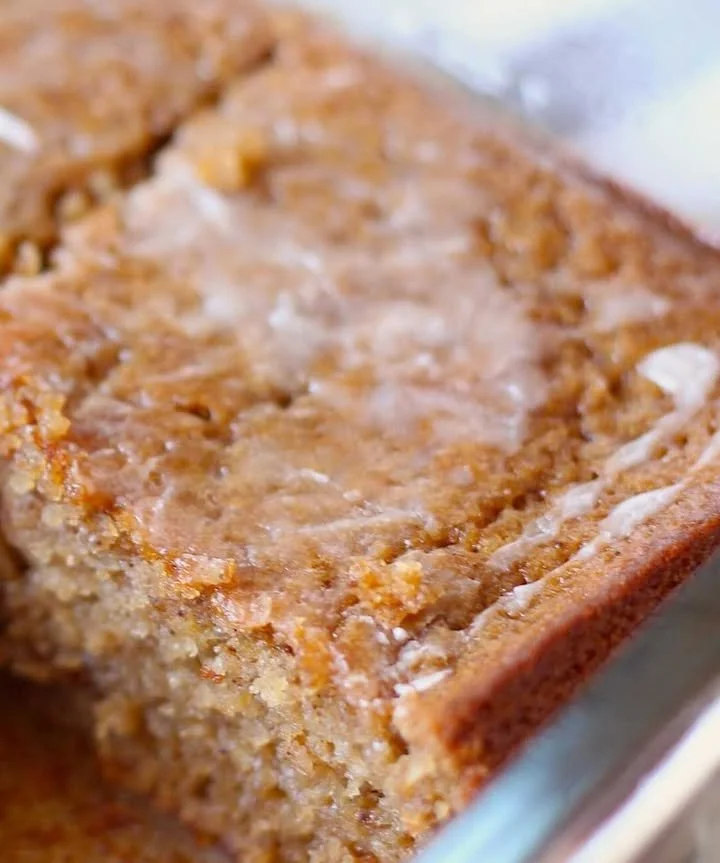
German Stollen
German Stollen
If you’ve been craving German Stollen, you’re in the right place — this loaf is cozy, slightly sweet, and perfect with a cup of coffee or tea. I remember the first time I tried making it: I forgot to proof the yeast and ended up with a very stubbornly dense loaf. Lesson learned — proof the yeast. Trust me, it’s worth the extra minute.
If you want a nuttier spin on this bread, try this German nut Stollen variation. And if you like the more traditional, Christmas-style versions, there’s a lovely guide to the German Stollen Christmas bread that dives into extra candied fruits and soaking techniques.
Why This German Stollen Recipe Works
- Simple ingredients you probably already have — flour, milk, butter, and pantry fruits.
- Beginner friendly — the dough is forgiving and you don’t need fancy techniques.
- Comforting flavor — warm spices, buttery crumb, and fruity bits in every bite.
- Reliable timing — one rise, one bake, and you’re done.
Quick cooking insight: warming the milk slightly (warm, not hot) wakes the yeast gently and helps the dough rise consistently.
Ingredients You’ll Need
- 4 cups all-purpose flour
- 1 cup milk (warmed to about 105–110°F / 40–43°C)
- 1/2 cup sugar
- 1 cup unsalted butter (melted and slightly cooled)
- 1/2 cup raisins
- 1/2 cup currants
- 1/4 cup candied orange peel (chopped)
- 1/4 cup chopped almonds
- 2 tsp active dry yeast
- 1 tsp ground cinnamon
- 1/2 tsp ground nutmeg
- 1/2 tsp salt
- 1 tsp vanilla extract
- Powdered sugar for dusting
Notes:
- Raisins & currants — soak them briefly in warm water or rum for plumper fruit (drain well).
- Butter — richness is key; don’t skimp. You can brown the butter for extra nuttiness if you’ve got time.
- Candied peel — optional, but it gives that classic citrus lift.
Kitchen Tools
- Large mixing bowl
- Small bowl for proofing yeast
- Measuring cups & spoons
- Wooden spoon or dough hook
- Loaf pan (9×5-inch works well)
- Plastic wrap or kitchen towel
- Cooling rack
Step-by-Step Instructions
- Proof the yeast: In a small bowl, mix 2 tsp active dry yeast with 1 cup warmed milk and a pinch of sugar. Let it sit until frothy (about 5–10 minutes). If it doesn’t foam, your yeast might be old — start over.
- Mix dry ingredients: In a large bowl, combine 4 cups flour, 1/2 cup sugar, 1/2 tsp salt, 1 tsp cinnamon, and 1/2 tsp nutmeg.
- Combine: Add the yeast mixture, 1 cup melted butter, and 1 tsp vanilla extract to the flour mix. Stir until a shaggy dough forms.
- Knead in fruits & nuts: Turn dough onto a lightly floured surface and knead for 5–7 minutes until smooth, folding in raisins, currants, candied orange peel, and chopped almonds until evenly distributed.
- Shape & rise: Shape the dough into a loaf and place it into a greased loaf pan. Cover and let rise in a warm place until doubled, about 1 hour.
- Preheat oven: Preheat to 350°F (175°C) while the loaf finishes its rise.
- Bake: Bake for 30–40 minutes or until the top is golden brown and an inserted skewer comes out clean. If the top browns too quickly, tent with foil.
- Cool & dust: Let cool in the pan for 10 minutes, then transfer to a rack. Once cool, dust generously with powdered sugar before serving.
Visual cues and smells: when the yeast proofs, you’ll see tiny bubbles and a yeasty aroma. During baking, your kitchen will smell warmly of cinnamon and butter — that’s the good stuff.
Pro Tips for Success
- Make sure the milk is just warm — too hot will kill the yeast; too cold will slow it.
- Let the dough rise in a warm spot (I use an oven with the light on). If your house is chilly, a slightly warm oven works nicely.
- Don’t overload with dried fruit — too many add-ins can make the dough heavy and dense.
- If your dough seems sticky, add flour a tablespoon at a time. It’s okay if it’s a little tacky — that keeps the crumb soft.
Common Mistakes to Avoid
- Using hot milk when proofing—kills the yeast. Keep it warm.
- Adding wet fruit without draining — extra moisture ruins texture.
- Overbaking — the crust will look dark but the inside should stay tender. Use a skewer to test.
- Skipping the dusting — powdered sugar not only looks pretty, it softens the crust.
Variations and Substitutions
- Dairy-free: swap milk for almond milk and butter for vegan butter.
- Nut-free: omit almonds and add extra candied peel or chopped dried apricot.
- Boozy: soak the raisins and currants in rum or brandy for 30 minutes (drain before adding).
- Less sweet: reduce sugar to 1/3 cup and still dust with powdered sugar for the classic look.
For a different dessert option to serve alongside, you might like a slice of classic German cheesecake — the textures pair nicely.
What to Serve With This Recipe
- A steaming cup of coffee or black tea
- Soft cheeses or plain butter for spreading
- Fruit preserves or marmalade
- Slices make an excellent addition to a holiday breakfast spread
Storage and Leftovers
- Room temp: keep in an airtight container for 2–3 days.
- Fridge: up to 1 week, wrapped well to avoid drying out.
- Freezer: wrap tightly and freeze up to 3 months. Thaw at room temperature and dust with powdered sugar again.
- To refresh: warm slices briefly in a 300°F oven for 5–8 minutes or pop them in the toaster oven.
FAQ (People Also Ask)
Q: Can I make this ahead of time?
A: Yes. You can shape the loaf, cover, and refrigerate overnight; bake the next day. Let it come to room temp before baking for better rise.
Q: Can I freeze the baked Stollen?
A: Absolutely. Wrap tightly in plastic and foil; freeze up to 3 months. Thaw at room temp and re-dust with powdered sugar.
Q: What’s the best pan to use?
A: A standard 9×5-inch loaf pan works great. For a more rustic look, shape freeform on a baking sheet.
Q: Can I substitute the candied orange peel?
A: Yes — swap for lemon peel, chopped dried apricot, or extra raisins if you prefer.
Q: My loaf was dense. What went wrong?
A: Most likely the yeast didn’t get properly proofed or the dough was over-packed with fruit. Make sure the yeast is bubbly before mixing and distribute fruit evenly.
Quick Recipe Summary (Recipe Card)
Prep time: 20 minutes (plus 1 hour rising)
Cook time: 30–40 minutes
Servings: 8–10 slices
Ingredients:
- 4 cups all-purpose flour
- 1 cup warm milk
- 1/2 cup sugar
- 1 cup unsalted butter, melted
- 1/2 cup raisins
- 1/2 cup currants
- 1/4 cup candied orange peel
- 1/4 cup chopped almonds
- 2 tsp active dry yeast
- 1 tsp ground cinnamon
- 1/2 tsp ground nutmeg
- 1/2 tsp salt
- 1 tsp vanilla extract
- Powdered sugar for dusting
Short steps:
- Proof yeast in warm milk until frothy.
- Mix dry ingredients and combine with melted butter and yeast mix.
- Knead in fruit and nuts, shape into loaf and rise until doubled.
- Bake at 350°F (175°C) for 30–40 minutes. Cool and dust with powdered sugar.
Final Thoughts
If you give this German Stollen a try, tell me how it turns out — I love hearing about little tweaks and happy accidents (I’ve burned a crust or two in my time). Don’t worry if it’s not perfect the first run; homemade bread gets better every time you make it. Enjoy a slice with a cup of something warm.