Homemade Bakery Cake
Homemade Bakery Cake
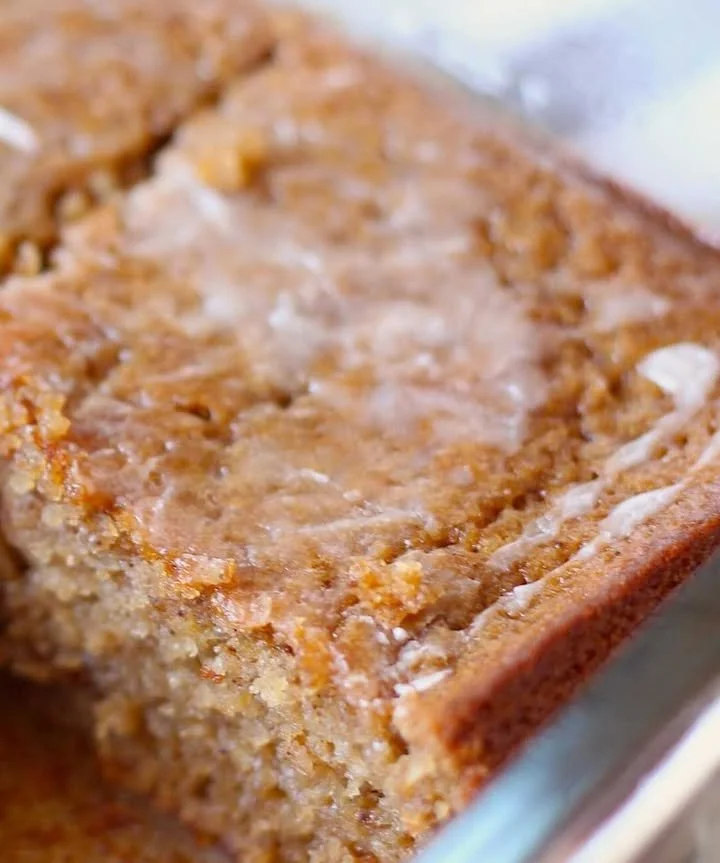
If you’re craving a slice of classic comfort, this homemade bakery cake hits the spot — tender, buttery, and honestly kind of addictive. I love how it smells while it’s baking; the whole house feels cozier in five minutes flat.
This is the cake I make when I want something reliable: not fussy, no weird ingredients, just a good old-fashioned dessert that everyone will eat. If you enjoy little twists, try my homemade cherry almond cake for a fruity spin on the same comforting idea.
The recipe below is a straightforward bakery-style cake you can frost however you like — vanilla buttercream, chocolate ganache, or just a dusting of powdered sugar. It’s a great base to practice frosting skills or to dress up for a birthday.
Why This Homemade Bakery Cake Works
- Quick to make — the batter comes together in one bowl with a few back-and-forths.
- Simple ingredients — flour, sugar, butter, eggs, milk; nothing fancy or hard to find.
- Great texture — light crumb with enough richness from the butter and eggs to keep slices moist.
- Beginner friendly — no temperamental steps, so it’s forgiving if you get distracted (trust me, I’ve walked away mid-mix before).
One quick tip: beating the butter and sugar until they’re light and fluffy traps air, which helps give the cake a lovely lift. That small step makes a bigger difference than you’d expect.
If you like fruit-forward cakes, check out my take on a homemade fruit cake for inspiration on adding berries or candied fruit.
Ingredients You’ll Need
- 2 cups all-purpose flour — the structure of the cake.
- 1 ½ cups granulated sugar — sweetness and tender crumb.
- ½ cup unsalted butter, softened — use room temperature butter so it creams well.
- 1 cup whole milk — keeps the cake moist; you can use 2% in a pinch.
- 3 ½ teaspoons baking powder — the lift; don’t skip it.
- 1 teaspoon vanilla extract — flavor boost.
- ½ teaspoon salt — balances the sweetness.
- 3 large eggs — richness and structure.
Notes:
- Butter — if it’s too cold, it won’t cream; too melted, and the cake will be dense. Aim for slightly soft.
- Milk — whole milk gives the best texture, but you can substitute with buttermilk for extra tang and tenderness.
- Eggs — room temperature eggs mix more evenly. If you forgot to take them out, run them under warm water for a minute.
If you’re planning a fancier finish or want frosting ideas, I sometimes peek at my homemade strawberry cheesecake recipe for inspiration on flavor combinations.
Kitchen Tools
- Mixing bowls (large + small)
- Electric mixer or stand mixer (hand whisk works, but take your time)
- Measuring cups and spoons
- Two 9-inch round cake pans
- Wire rack for cooling
- Toothpick or cake tester
If you like make-ahead desserts or different textures, this list pairs nicely with ideas from my homemade strawberry shortcake cheesecake post — it’s a good reminder that simple pans and plates can do a lot.
Step-by-Step Instructions
- Preheat your oven to 350°F (175°C). Grease and flour two 9-inch round cake pans. This keeps the cake from sticking and gives you a pretty edge.
- In a large mixing bowl, cream together the butter and sugar until light and fluffy. You’ll notice the color lighten — that’s the air being incorporated.
- Add the eggs one at a time, beating well after each addition. This helps keep the batter smooth and prevents curdling.
- Mix in the milk and vanilla extract until combined. The batter will look nice and loose now.
- In a separate bowl, combine the flour, baking powder, and salt. Gradually add the dry ingredients to the wet mixture, mixing until just combined. Don’t overmix — a few streaks of flour are okay.
- Pour the batter evenly into the prepared pans. Tap the pans gently on the counter to remove big air bubbles.
- Bake for 25–30 minutes or until a toothpick inserted into the center comes out clean. The tops should be lightly golden and spring back when touched.
- Allow to cool in the pans for 10 minutes before transferring to a wire rack to cool completely. This rest helps the cake set and makes it easier to remove.
- Frost and decorate as desired before serving. I usually level the tops with a serrated knife for a neater frosting surface.
For days when you want something even simpler, try this handy 5-ingredient cake — same comforting vibes with less fuss.
Visual cues and smells to look for: the kitchen should smell sweet and buttery about 10–15 minutes in. The cake top will turn pale-golden and feel springy when it’s near done.
Pro Tips for Success
- Let the butter come to room temperature — it creams best that way.
- Don’t overmix once you add the flour; it makes the cake tough. Mix until just combined.
- Use an oven thermometer if your oven runs hot or cold — even 25°F off changes bake time.
- Rotate pans halfway through baking if your oven has hot spots.
- Cool fully before frosting so the frosting doesn’t melt and slide off.
Real confession: once I walked away while the cake was in the oven and the top browned more than I wanted. I ended up trimming it and turning it into a layered trifle — nobody minded, and it tasted great. Imperfections can be delicious.
Common Mistakes to Avoid
- Overcreaming butter and sugar — makes the batter too soft; aim for light and fluffy, not whipped into oblivion.
- Adding eggs that are too cold — they can make the batter curdle. Warm them briefly if needed.
- Overbaking — the cake keeps cooking after you pull it out; aim for a slightly moist crumb when you test.
- Frosting a warm cake — frosting will slide and make a mess. Be patient and let it cool.
Variations and Substitutions
- Lemon version — add 1 tablespoon lemon zest and replace 1/4 cup milk with lemon juice for a bright flavor.
- Chocolate swirl — fold ¼ cup melted chocolate into part of the batter and swirl before baking.
- Dairy-free — swap butter for a dairy-free spread and use almond or oat milk. Texture will be slightly different.
- Add-ins — fold in 1 cup chopped nuts, chocolate chips, or berries for extra interest.
What to Serve With This Recipe
- Fresh berries and whipped cream for a light finish.
- A scoop of vanilla ice cream for warm slices.
- Coffee or tea — this cake pairs wonderfully with a cup in the afternoon.
- A simple fruit compote if you want a saucier topping.
Storage and Leftovers
- Room temp — store covered for 1–2 days in a cool spot.
- Refrigerator — keeps 3–4 days in an airtight container once frosted. Bring to room temp before serving.
- Freezer — wrapped tightly in plastic and foil, freeze for up to 2 months. Thaw overnight in the fridge and then come to room temp.
Reheating tip: slice and warm briefly in the microwave for 10–15 seconds if you like it slightly warm.
FAQ (People Also Ask)
Q: Can I make this ahead of time?
A: Yes — bake the layers a day ahead, wrap them well, and frost the next day. It’s actually easier to frost cooled, slightly stale cake.
Q: Can I freeze the layers?
A: Absolutely. Wrap layers tightly and freeze up to 2 months. Thaw overnight in the fridge.
Q: What’s the best pan to use?
A: These are written for two 9-inch round pans. You can use a 9×13 pan — reduce bake time by a bit and check for doneness earlier.
Q: Can I substitute ingredients?
A: You can swap whole milk for buttermilk (adds tenderness) or use 2% milk in a pinch. For dairy-free, use plant milk and a suitable margarine.
Q: How do I know when the cake is done?
A: A toothpick should come out with a few moist crumbs, not wet batter. The top should spring back slightly.
Quick Recipe Summary
Prep time: 15 minutes
Cook time: 25–30 minutes
Servings: 8–12
Ingredients:
- 2 cups all-purpose flour
- 1 ½ cups granulated sugar
- ½ cup unsalted butter, softened
- 1 cup whole milk
- 3 ½ teaspoons baking powder
- 1 teaspoon vanilla extract
- ½ teaspoon salt
- 3 large eggs
Short steps:
- Preheat to 350°F and prepare pans.
- Cream butter and sugar.
- Add eggs, then milk and vanilla.
- Fold in dry ingredients.
- Bake 25–30 minutes, cool, and frost.
Final Thoughts
Give this homemade bakery cake a try the next time you want something warm and comforting without fuss. If you try it, tell me how you dressed it up — I love hearing your twists. And remember — cakes survive a lot of little mistakes, so don’t stress if yours isn’t perfect the first time.