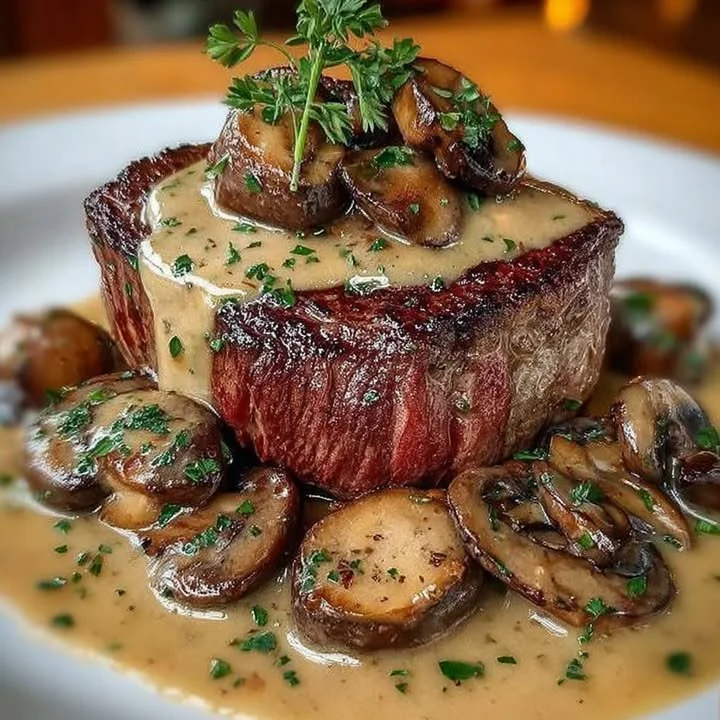
My German Nana’s Recipe

My German Nana’s Recipe: Easy, Quick & Creamy Käsespätzle — A Homemade, Traditional Family Favorite
My German Nana’s recipe is a warm, comforting plate of creamy Käsespätzle that I still crave on chilly nights. My German Nana’s Recipe brings together pillowy homemade spaetzle, melted cheese, and caramelized onions — a truly family favorite that tastes like a hug.
This easy, quick, and creamy dish is perfect for weeknight dinner, a casual family meal, or weekend cooking when you want something traditional but simple. If you love nostalgic comfort food (and want more classic family recipes), check out this Grandma’s Dish — Delicious Recipe from My Childhood for another cozy idea.
The aroma of butter and browned onions fills the kitchen, the texture is silky and slightly chewy spaetzle pockets, and every forkful melts the kind of memory into your mouth that only a Nana can create.
Background & Origin
Käsespätzle (pronounced “keh-zuh-shpetz-leh”) is Germany’s answer to mac and cheese — rustic, hearty, and utterly satisfying. It likely originated in the Alpine regions of southern Germany and Austria, where simple ingredients like eggs, flour, and local cheeses made for nourishing meals in cold weather.
Why this recipe is popular:
- It uses pantry staples and comes together quickly.
- It’s adaptable — you can make it creamy, sharp, vegetarian, or protein-packed.
- It’s comfort food for all ages: kids love the cheesy bits, grown-ups love the nostalgia.
Fun facts & kitchen science:
- The spaetzle dough is wetter than pasta dough; the moisture creates the characteristic soft, irregular dumplings.
- Caramelizing onions adds depth and sweetness that cut through the richness of the cheese.
- A quick broil at the end gives the top a golden, toasty crust that contrasts the creamy layers beneath.
What makes this version unique:
- A balance of sharp Emmental (or Gruyère) and milder cheese for a complex, creamy melt.
- Nana’s trick: a splash of nutty browned butter and a pinch of nutmeg for warmth.
- Helpful shortcuts for busy cooks while keeping the homemade charm — see my full notes on similar comfort hits like My family asked second helpings — full recipe.
Ingredients
- 2 cups (250 g) all-purpose flour — spooned and leveled (or gluten-free blend, see substitutions)
- 3 large eggs, room temperature
- 3/4 cup (180 ml) milk or water, plus more as needed (room temperature)
- 1 tsp salt
- Pinch of nutmeg (optional, finely grated)
- 3 tbsp butter — divided (room temperature is helpful)
- 2 large yellow onions, thinly sliced
- 8 oz (225 g) Emmental or Gruyère cheese, grated (or a mix) — extra for topping
- Freshly ground black pepper
- Chopped chives or parsley for garnish (optional)
- Optional add-ins: crispy bacon, sautéed mushrooms, or spinach (see variations)
Ingredient notes:
- Eggs at room temperature = better dough elasticity.
- Finely grate cheese for quicker melting.
- Onions thinly sliced to caramelize evenly.
Step-by-Step Instructions
Total time: 35–45 minutes | Serves: 4–6
Prep and caramelize onions (10–15 minutes)
- Heat 2 tbsp butter in a large skillet over medium-low heat.
- Add thinly sliced onions with a pinch of salt. Cook slowly, stirring occasionally until golden brown and sweetly caramelized (about 12–15 minutes).
- Visual cue: onions should be uniformly golden, not burnt. Set aside.
Make the spaetzle dough (5 minutes)
- In a bowl, whisk together flour, salt, and nutmeg.
- In a separate bowl, beat eggs with milk (or water).
- Pour wet into dry and stir until a sticky, thick batter forms. You may need an extra tablespoon of milk — batter should be thicker than pancake batter but looser than cookie dough.
- Mini-tip: a few bubbles in the batter signal good hydration.
Cook the spaetzle (5–7 minutes)
- Bring a large pot of salted water to a rolling boil.
- Use a spaetzle maker, colander, or large-holed grater to press batter into boiling water. Alternatively, drop spoonfuls for a rustic shape.
- When spaetzle float to the surface (about 1–2 minutes), let them cook 30–60 seconds more, then scoop with a slotted spoon into a colander and rinse briefly under warm water to stop cooking. Drain well.
- Visual cue: spaetzle should be tender with a slight chew, not mushy.
Assemble and melt the cheese (5–7 minutes)
- Return the pot to medium-low heat. Add remaining 1 tbsp butter and a layer of spaetzle, then a generous sprinkle of grated cheese. Repeat layers, finishing with cheese on top.
- Stir gently to combine until cheese is mostly melted and creamy. If the mixture seems dry, add a splash of milk.
- Visual cue: cheese should be gooey, coating each spaetzle piece.
Broil for golden top (optional, 3–5 minutes)
- Transfer to an oven-safe dish, top with remaining cheese and caramelized onions.
- Broil on high for 2–4 minutes until the cheese bubbles and forms a golden-brown crust. Watch carefully to avoid burning.
- Temperature: broil/high, rack 6–8 inches from heat.
- Mini-tip: For a quicker stovetop-only option, skip broiling and finish melting on low heat.

- Serve
- Garnish with chopped chives or parsley and freshly cracked black pepper.
- Serve immediately while hot and creamy.
Handy shortcut: If you love two-ingredient conveniences, you’ll appreciate simple time-savers like this 2 ingredients recipe you won’t believe when you’re pressed for time.
Pro Tips & Common Mistakes
How to improve flavor:
- Use a mix of cheeses (strong + mild) for depth; Gruyère + Emmental is classic.
- Finish with browned butter for a nutty lift.
- A pinch of nutmeg adds warmth without making it “spicy.”
Texture tricks:
- Don’t overcook the spaetzle — remove them as soon as they float and are tender.
- Rinse briefly in warm water to stop cooking but avoid over-rinsing (you want some starch to help the cheese cling).
What NOT to do:
- Don’t add cold cheese directly into a hot pot without moderation; it can clump. Layer and melt slowly.
- Don’t rush onion caramelization — low and slow yields the sweet, savory contrast you want.
Helpful shortcuts:
- Use store-bought spaetzle or frozen spaetzle if you’re short on time.
- Pre-grate cheese and caramelize onions a day ahead.
Prep-ahead hacks:
- Make the dough in advance and refrigerate up to 24 hours (cover tightly).
- Caramelized onions keep for 3–4 days in the fridge.
Variations & Substitutions
Vegan
- Replace eggs with a flax “egg” (1 tbsp ground flax + 3 tbsp water per egg) and use a plant-based milk.
- Substitute vegan melty cheese or cashew-based cheese sauces.
Gluten-free
- Use a gluten-free all-purpose blend that includes xanthan gum — adjust liquid for consistency.
Low-carb
- Swap spaetzle for cauliflower gnocchi or small cauliflower florets sautéed until tender; toss with cheese sauce (or omit cheese for lower calories).
Kid-friendly
- Make a milder cheese version with extra butter and serve with crispy bacon bits on the side for kids who like texture.
Extra creamy
- Stir in 1/2 cup sour cream or crème fraîche before broiling.
- Add a splash of heavy cream for silkier mouthfeel.
Spicy
- Stir in a pinch of cayenne or chopped pickled jalapeños for a kick.
Budget-friendly
- Use sharp cheddar (more affordable) blended with a milder melting cheese for good flavor/melt ratio.
Serving Suggestions
Best sides:
- Simple green salad with tangy vinaigrette to cut the richness.
- Steamed seasonal vegetables (green beans, roasted carrots).
Bread:
- Crusty rye or hearty sourdough to mop up cheesy sauce.
Rice or pasta:
- This dish stands alone but pairs nicely with a small side of buttered egg noodles for big appetites.
Wine pairing:
- Crisp Riesling or Grüner Veltliner — acidity balances creaminess.
- For beer lovers: a malty Märzen or amber ale is cozy and complementary.
How to plate beautifully for guests:
- Serve in shallow bowls, top with a nest of caramelized onions and chopped chives, and add a small sprinkling of toasted breadcrumbs for crunch.
Storage, Freezing & Reheating
Fridge:
- Store leftovers in an airtight container for up to 3–4 days.
Freezer:
- Freeze in portion-sized containers for up to 2 months. Thaw overnight in the fridge before reheating.
Best reheating method:
- Oven: Reheat at 350°F (175°C) covered with foil for 15–20 minutes, uncover and broil 2–3 minutes to refresh the top.
- Stovetop: Reheat gently in a skillet over low heat with a splash of milk to loosen the sauce.
- Microwave: Works for single servings — add a splash of milk and cover; stir halfway through.
Meal-prep options:
- Bake in individual foil dishes and freeze — grab-and-go dinners that just need reheating.
Nutrition & Health Info
- Approximate per serving (one-sixth of recipe): 450–600 kcal depending on cheese and butter used.
- Protein: moderate (from eggs and cheese).
- To lighten it up:
- Use part-skim cheese, reduce butter, or swap cream for low-fat milk.
- Add roasted vegetables to bulk up fiber and nutrients.
- Lifestyle notes:
- This is an occasional comfort dish — balance with lighter meals and veggies during the week.
FAQ

Q: Can I prepare My German Nana’s Recipe ahead of time?
- Yes — you can make the dough and caramelize onions a day ahead. Assemble and broil when ready to serve.
Q: How do I thicken or thin the sauce?
- Thicken: add more grated cheese and simmer gently to reduce liquid. Thin: stir in a splash of milk or cream until you reach the desired consistency.
Q: What are good ingredient substitutions?
- Gluten-free flour blend for the spaetzle; plant-based cheeses and flax “eggs” for vegan versions; cheddar if Gruyère/Emmental aren’t available.
Q: Can I double or halve the recipe?
- Absolutely. The recipe scales well — keep the same ratios. Use a larger pot for doubled quantities and a shallow baking dish for even broiling.
Q: What cookware is best?
- Large pot for boiling spaetzle, a heavy skillet for caramelizing onions, and an oven-safe baking dish if broiling the final top.
Q: Can I make it dairy-free or meat-free?
- Dairy-free: use vegan cheese and dairy-free butter. Meat-free: the classic is vegetarian already; add mushrooms or smoked tofu for texture and umami.
Q: What sides go well with My German Nana’s Recipe?
- Crisp green salad, roasted root vegetables, pickled cucumbers, or crusty bread are classic pairings.
For more cozy, tried-and-true family recipes that revived our weeknight dinners, see this lovely find from my aunt: Aunt’s recipe found tastes better than ever.
Conclusion
There’s something timeless about My German Nana’s Recipe that makes it the best go-to comfort meal for family gatherings and quiet nights alike. I hope you try this creamy, homemade Käsespätzle and make it your own — swap cheeses, add bacon, or keep it simple like Nana used to.
If you make it, please leave a comment below, rate the recipe, and share a photo on social media — I love hearing your twists and seeing how this traditional dish becomes part of your family’s favorites.
👉 #fblifestyle