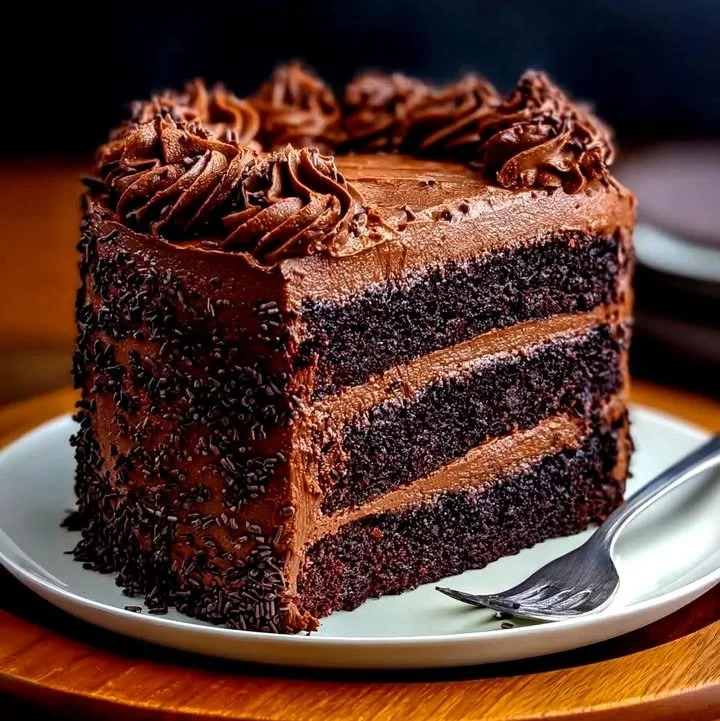
German Cheesecake (Cheesecake)
German Cheesecake (Cheesecake)
I love a good, no-fuss cheesecake, and this German cheesecake is exactly that — creamy, a little tangy, and comforting in the best way. The first time I made it, I forgot to let the cream cheese sit out long enough and had to beat the lumps out — honestly, it still tasted great and the family didn’t mind a bit.
If you’re craving a reliable cheesecake recipe that won’t make you sweat, this one’s for you. It uses pantry-friendly ingredients, a simple graham cracker crust, and a silky sour-cream filling that holds up nicely. If you’re curious about other takes on this classic, check out this classic German cheesecake for a slightly different spin.
Why This German Cheesecake Works
- Simple, trustworthy ingredients — nothing obscure, just cream cheese, sour cream, eggs, and a buttery crust.
- Great texture — the sour cream keeps the filling smooth and not overly dense.
- Beginner friendly — no water bath or fancy techniques required.
- Easy to customize — add lemon zest, vanilla, or a light fruit topping.
Here’s a quick tip: let your cream cheese come to room temperature so it mixes silky-smooth. If you like variations, I also have another take on another German cheesecake version that leans slightly tangier — worth a look if you love experimenting.
Ingredients You’ll Need
- 2 cups crushed graham crackers — provides that warm, familiar base.
- 1/2 cup unsalted butter, melted — binds the crust and adds richness.
- 1 cup sugar — balances the tang of the filling.
- 4 (8-ounce) packages cream cheese, softened — the star; room temp is best.
- 1 teaspoon vanilla extract — simple flavor boost.
- 4 large eggs — add structure; add them one at a time.
- 1 cup sour cream — keeps the filling creamy and slightly tangy.
- 1 tablespoon all-purpose flour — helps stabilize the filling.
- 1/4 teaspoon salt — enhances sweetness.
- Zest of 1 lemon (optional) — brightens the flavor if you like citrus.
If you want a fruit-forward variation, try topping with strawberries or my lighter take on a banana cream cheesecake — it’s lovely for summer brunches.
Kitchen Tools
- 9-inch springform pan
- Mixing bowls (one large)
- Electric mixer or stand mixer
- Rubber spatula
- Measuring cups and spoons
- Zester (if using lemon)
- Wire rack for cooling
Step-by-Step Instructions
- Preheat your oven to 325°F (160°C). Grease the sides of a 9-inch springform pan lightly so the crust doesn’t stick.
- In a bowl, combine 2 cups crushed graham crackers and 1/2 cup melted butter. Press the mixture firmly into the bottom of the pan to form an even crust. Use the bottom of a glass to compact it.
- In a large bowl, beat 4 (8-oz) packages cream cheese and 1 cup sugar until smooth. Scrape down the sides so there are no lumps.
- Add 1 teaspoon vanilla extract and mix until combined.
- Add the eggs, one at a time, mixing on low speed and scraping between additions so everything stays silky.
- Mix in 1 cup sour cream, 1 tablespoon flour, and 1/4 teaspoon salt until just combined. Fold in zest of 1 lemon if using.
- Pour the filling over the prepared crust and smooth the top with a spatula.
- Bake for 50–60 minutes, until the edges are set and the center is just slightly wobbly — it will continue to set as it cools.
- Allow the cheesecake to cool completely on a wire rack, then refrigerate for at least 4 hours, preferably overnight, before serving. If you like fun variations, you can try serving slices with a side of banana pudding cheesecake squares for a playful dessert spread.
Visual cues and smells: you’ll know it’s close when the top turns a very light golden and the kitchen smells rich and buttery. Don’t panic if there are tiny cracks — that’s normal and easy to hide with toppings.
Pro Tips for Success
- Let the cream cheese sit out for 30–60 minutes so it beats smooth — less lumps, more silk.
- Mix on low speed once the eggs are in to avoid whipping too much air into the batter, which causes cracks.
- Use room-temperature sour cream so the batter doesn’t seize.
- Cool slowly: after the oven, crack the door for 15 minutes then remove to the counter — sudden temperature changes can cause cracks.
- For extra flavor, try 1 teaspoon of lemon zest or swap half the vanilla for almond extract.
Common Mistakes to Avoid
- Overbeating the batter — this adds air and can lead to cracks; mix just until combined.
- Skipping room-temp steps — cold cream cheese makes lumps, cold butter makes a crumbly crust.
- Baking too hot — a hot oven leads to uneven cooking; stick to the 325°F recommendation.
- Slicing too soon — cut only after it’s fully chilled to get clean slices.
Variations and Substitutions
- Lemon German Cheesecake: add 2 tablespoons lemon juice and extra zest to the filling.
- Lighter version: swap half the sour cream for plain Greek yogurt.
- Gluten-free crust: use gluten-free graham crumbs or almond flour mixed with butter.
- No-sugar swap: use a granulated sugar substitute designed for baking — adjust to taste.
What to Serve With This Recipe
- Fresh berries or a quick berry compote
- Whipped cream or lightly sweetened Greek yogurt
- Coffee or a late-afternoon tea
- For a brunch spread: sliced fruit, flaky pastries, and roasted nuts
Storage and Leftovers
- Refrigerator: store airtight for 3–4 days. Slices keep their texture well.
- Freezer: wrap whole or individual slices tightly in plastic and foil; freeze up to 2 months. Thaw overnight in the fridge.
- Reheating: cheesecake is best served chilled, but you can let slices sit at room temp for 15–20 minutes before serving for a softer texture.
FAQ (People Also Ask)
Q: Can I make this cheesecake ahead of time?
A: Yes — make it the day before or two days ahead; chilling overnight actually improves the texture.
Q: Can I freeze the cheesecake?
A: Absolutely. Wrap tightly and freeze up to 2 months. Thaw in the fridge overnight before serving.
Q: What’s the best pan to use?
A: A 9-inch springform pan is ideal for easy release and tidy slices.
Q: Can I substitute the sour cream?
A: Yes — plain Greek yogurt works in a pinch, but it slightly changes the tang and texture.
Q: My cheesecake cracked. What went wrong?
A: Most often it’s due to overmixing, baking too hot, or quick temperature changes. Use gentle mixing and slow cooling to reduce cracks.
Quick Recipe Summary (Recipe Card Style)
- Prep time: 20 minutes (plus 30–60 minutes for cream cheese to soften)
- Cook time: 50–60 minutes
- Chilling time: at least 4 hours (overnight recommended)
- Servings: 10–12 slices
Ingredients
- 2 cups crushed graham crackers
- 1/2 cup unsalted butter, melted
- 1 cup sugar
- 4 (8-oz) packages cream cheese, softened
- 1 teaspoon vanilla extract
- 4 large eggs
- 1 cup sour cream
- 1 tablespoon all-purpose flour
- 1/4 teaspoon salt
- Zest of 1 lemon (optional)
Short Steps
- Preheat oven to 325°F (160°C). Press crust into a 9-inch springform pan.
- Beat cream cheese and sugar until smooth; add vanilla and eggs one at a time.
- Fold in sour cream, flour, salt, and lemon zest.
- Bake 50–60 minutes; cool, then refrigerate at least 4 hours.
Final Thoughts
Give this German cheesecake a try when you want something that’s both comforting and dependable. Don’t worry if your first one isn’t picture-perfect — mine rarely is. If you make it, tell me about any twists you tried; I love swapping ideas. Happy baking!