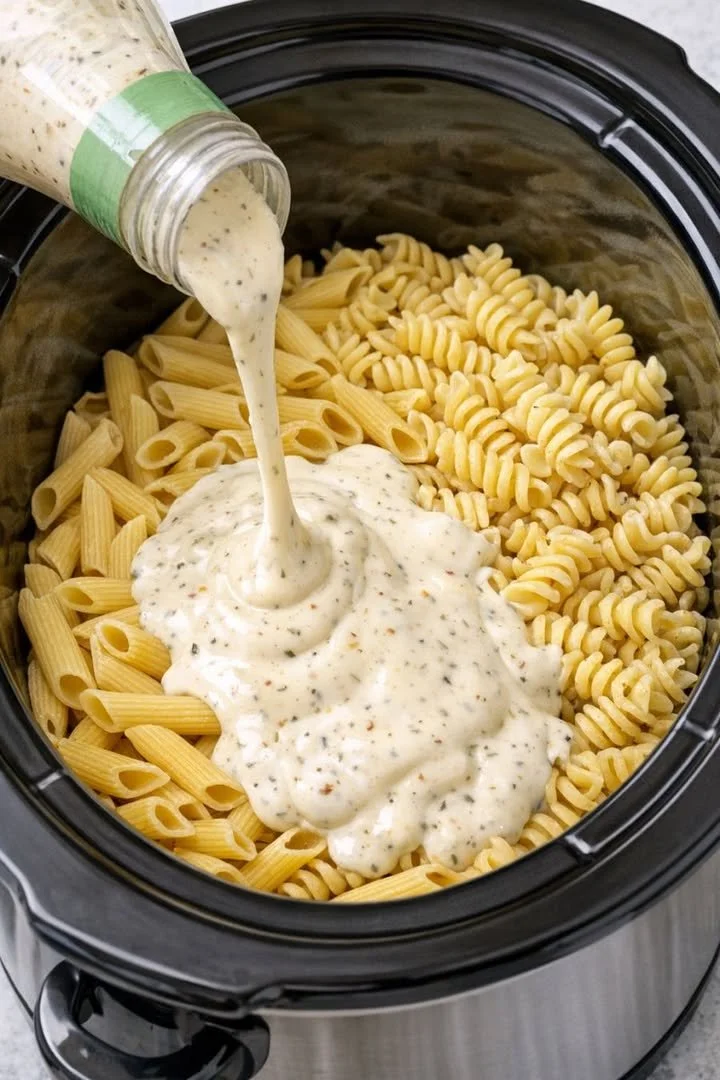
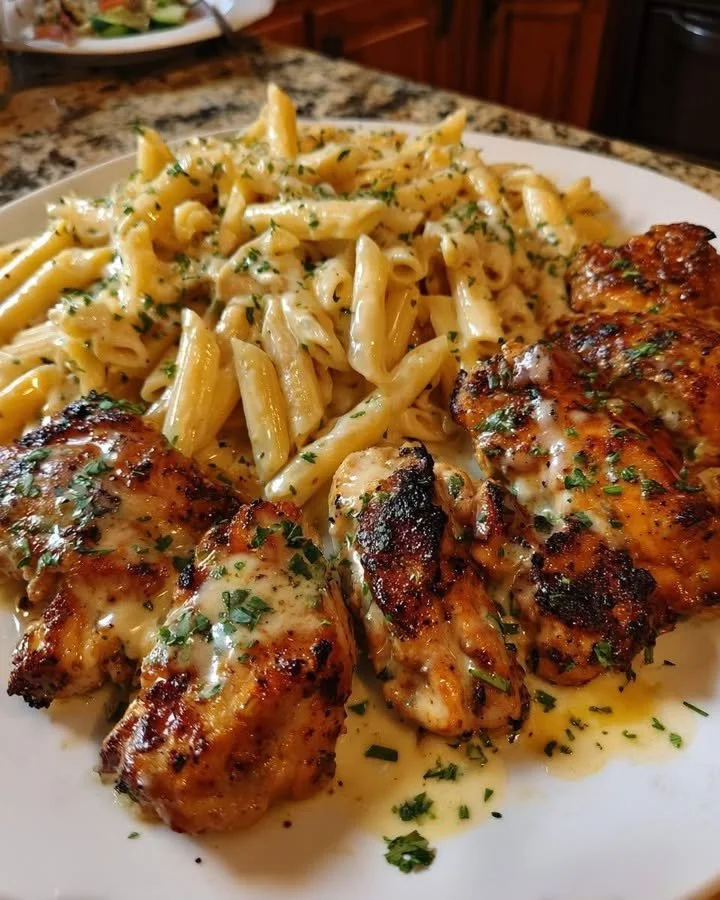
Garlic Powder Pasta
Easy Creamy Garlic Powder Pasta — Quick, Homemade, Family Favorite Comforting Recipe
Garlic Powder Pasta is the little pantry-hero dish you never knew you needed. Garlic Powder Pasta turns simple ingredients into a creamy, comforting bowl in under 20 minutes — perfect for an easy weeknight dinner or a last-minute family favorite. If you love quick pasta recipes, check out this fantastic pasta for more inspiration.
This recipe is all about aroma and texture: warm, olive-oil–glossed noodles dusted with garlic powder, finished with a sprinkle of Parmesan and fresh herbs. It’s tender, slightly silky, and deeply satisfying — the kind of food that feels like a hug on a busy night.
Background & Origin
Garlic Powder Pasta doesn’t have a long, storied history like classic Italian ragùs, but it lives in the same comforting family of simple pasta dishes that grew out of pantry cooking. Using garlic powder is a practical, traditional approach when fresh garlic isn’t handy — a technique home cooks have used for decades to get fast, even flavor.
Fun facts and kitchen science:
- Garlic powder delivers a concentrated, mellow garlic flavor without the bite of raw garlic.
- The starchy pasta water helps the olive oil and powder cling to noodles, creating a silky coating.
- This version is unique because it’s intentionally minimalist: focused on technique (timing, proper seasoning, a splash of pasta water) rather than a long list of ingredients. For a different kind of pantry treat—sweet and nostalgic—think of how simple powdered sugar cookies use pantry staples to create big flavor.
Ingredients
- Pasta of choice — 12 oz (spaghetti, linguine, penne, or fusilli) (room temperature, dry)
- Olive oil — 3 tbsp (extra-virgin for flavor)
- Garlic powder — 1 to 2 tsp (adjust to taste; start small)
- Salt — 1 tsp + extra for pasta water (kosher or sea salt)
- Black pepper — 1/2 tsp freshly cracked
- Parmesan cheese — 1/4 to 1/2 cup grated (optional; finely grated)
- Fresh herbs — chopped parsley or basil for garnish (optional)
Ingredient notes:
- Use al dente-cooked pasta for best texture.
- Parmesan and herbs are optional but transform the dish into a richer, restaurant-style plate.
- Need a side idea? A warm skillet side like fried cabbage with bacon pairs beautifully.
Step-by-Step Instructions
Cook the pasta according to package instructions until al dente (usually 8–12 minutes). Reserve 1 cup of pasta water, then drain and set the pasta aside.
- Time: 8–12 minutes depending on pasta type.
- Visual cue: noodles should be tender but still slightly firm in the center.
In a large skillet, heat olive oil over medium heat for about 30–60 seconds until shimmering.
- Visual cue: oil should be warm and glossy but not smoking.
Add garlic powder, salt, and pepper to the oil, stirring to combine for about 10–20 seconds. The powder should bloom in the oil and smell fragrant.
- Mini-tip: don’t cook the powder for long — it can become bitter if overheated.
Toss in the cooked pasta and mix well until evenly coated. If it looks dry, add 2–4 tablespoons of reserved pasta water and stir until the sauce becomes silky and clings to the noodles.
- Time: 1–2 minutes to finish on the pan.
- Visual cue: pasta should look glossy, not greasy; coating should be even and slightly thickened.
Serve hot, topped with Parmesan cheese and fresh herbs if desired.
- Mini-tip: finish with a final drizzle of olive oil and a grind of black pepper for a restaurant-like finish.

Helpful mini-tips:
- Always reserve pasta water — it’s magic for emulsifying the sauce.
- Start with less garlic powder and add more; it’s easy to over-season.
- Use a wide skillet so every strand gets even coating.
Pro Tips & Common Mistakes
- How to improve flavor:
- Toast the garlic powder very briefly in warm oil to deepen flavor — but don’t burn it.
- Add a teaspoon of butter for richness or 1 tbsp of cream for extra creaminess.
- Texture tricks:
- Use 2–3 tbsp of starchy pasta water to create a silky emulsion with the olive oil.
- Toss the pasta in the pan off the heat at the end for a more controlled coating.
- What NOT to do:
- Don’t add garlic powder to boiling water — it will dilute and disappear.
- Avoid overheating the olive oil; burned oil tastes off.
- Helpful shortcuts:
- Use pre-grated Parmesan if short on time (but freshly grated melts better).
- Make a larger batch of seasoned oil and keep in the fridge for quick weeknight bowls.
- Prep-ahead hacks:
- Cook pasta and toss with oil and a little garlic powder, then refrigerate in an airtight container for up to 24 hours. Reheat gently with a splash of water.
Variations & Substitutions
- Vegan: Use olive oil and nutritional yeast instead of Parmesan for a cheesy flavor.
- Gluten-free: Swap in your favorite gluten-free pasta (brown rice, corn, chickpea).
- Low-carb: Use zucchini noodles or shirataki noodles; reduce oil for fewer calories.
- Kid-friendly: Start with just a pinch of garlic powder and add butter for a milder, favorite-flavors profile.
- Extra creamy: Stir in 2 tbsp cream, mascarpone, or a spoonful of cream cheese at the end.
- Spicy: Add 1/4–1/2 tsp red pepper flakes while heating the oil.
- Budget-friendly: Keep it pantry-simple — pasta, oil, garlic powder, salt, pepper — and add herbs only if on hand.
Serving Suggestions
- Best sides:
- Simple green salad with lemon vinaigrette.
- Roasted or steamed vegetables for a balanced plate.
- Bread:
- Crusty baguette or garlic toast — perfect for mopping up the glossy sauce.
- Salads:
- Arugula with shaved Parmesan and lemon.
- Wine pairing:
- Light white wines like Pinot Grigio or Vermentino; for red lovers, a light Sangiovese works.
- How to plate beautifully for guests:
- Twirl pasta with tongs into a nest, place in the center, grate fresh Parmesan, scatter chopped herbs, and finish with a drizzle of olive oil and cracked pepper.
Storage, Freezing & Reheating
- Fridge: Store in an airtight container for 3–4 days.
- Freezer: Pasta with oil can be frozen, but texture may change. Freeze in a shallow container for up to 1 month.
- Best reheating method:
- Reheat gently in a skillet over low heat with a splash of water or broth to loosen the sauce.
- Microwave-safe tip: cover and heat in short bursts, stirring in between; add a teaspoon of water per serving.
- Meal-prep options:
- Cook pasta and store sauce separately (oil + garlic powder) to combine and reheat for fresher texture.
Nutrition & Health Info
- Rough estimate per serving (based on 12 oz pasta, 3 tbsp olive oil, 1/4 cup Parmesan): 350–500 calories.
- Protein: increases with Parmesan or if you add chickpea/legume pasta.
- Lighter versions: use less oil, swap to whole-wheat or chickpea pasta for more fiber and protein, or use zucchini noodles for fewer calories.
- Quick health note: Olive oil brings healthy monounsaturated fats; garlic powder provides flavor without added sodium if you choose low-salt versions.
FAQ

Q: Can I prepare Garlic Powder Pasta ahead of time?
A: Yes — cook pasta slightly under al dente, toss with a touch of oil, refrigerate up to 24 hours, and finish with fresh garlic powder and a quick reheat. For full tips on prepping pasta, see this fantastic pasta resource.
Q: How do I thicken or thin the sauce?
A: Thicken by adding grated Parmesan or a tiny knob of butter and simmering briefly. Thin by adding reserved pasta water or a splash of cream or broth.
Q: What are good ingredient substitutions?
A: Nutritional yeast for Parmesan (vegan), gluten-free pasta for wheat pasta, zucchini noodles for low-carb. For a smoky twist, add a sprinkle of smoked paprika.
Q: Can I double or halve the recipe?
A: Absolutely. Use the same ratios and keep an eye on seasoning — start with less garlic powder when scaling up and adjust to taste. If you’re cooking a crowd, reserve extra pasta water.
Q: What cookware is best?
A: A wide, heavy skillet (10–12 inches) helps pasta get even coating. Use a pot large enough to boil pasta without crowding.
Q: Can I make it dairy-free or meat-free?
A: Yes — omit Parmesan or use a vegan cheese or nutritional yeast. It’s naturally meat-free; add grilled chicken or sautéed shrimp for protein if desired.
Q: What sides go well with it?
A: Light salads, roasted vegetables, or a skillet of savory greens (think spinach or that flavorful fried cabbage with bacon if you want something heartier).
Conclusion
Thanks for reading — I hope this Garlic Powder Pasta becomes your go-to quick comfort dish. It’s simple, cozy, and endlessly adaptable. If you try it, please leave a comment below, rate the recipe, or share a photo on social media — I love seeing your kitchen wins!
👉 #fblifestyle