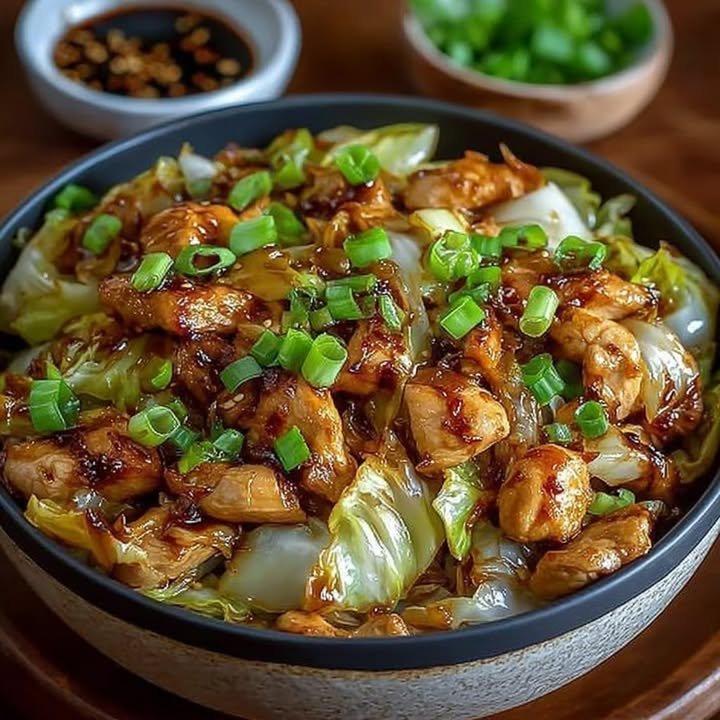
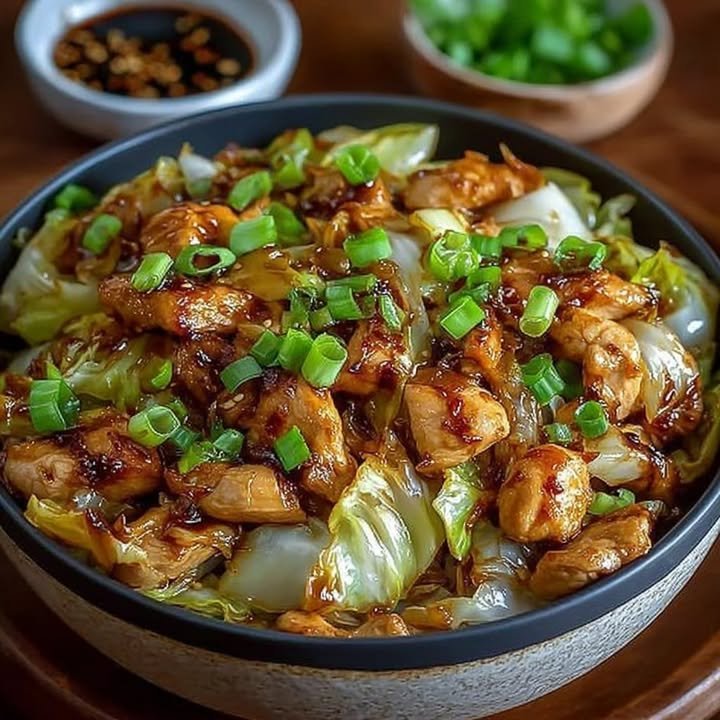
Savory Chicken and Chinese Cabbage Stir-fry with Soy Sauce Glaze
Quick & Easy Savory Chicken and Chinese Cabbage Stir-fry with Soy Sauce Glaze — The Best Homemade, Family-Favorite Weeknight Dinner
Savory Chicken and Chinese Cabbage Stir-fry with Soy Sauce Glaze is one of those cozy, flavorful meals you can throw together in under 30 minutes and still call it “homemade comfort.” The soy sauce glaze gives the dish a glossy, slightly sweet-salty finish while tender chicken and crisp cabbage provide a perfect textural contrast.
This recipe shines on busy weeknights, for quick family dinners, or as a comforting weekend lunch when you want something satisfying but not fussy. Serve it over steamed rice, toss with noodles, or pair with simple sides like buttered noodles — I often reach for chicken with buttered noodles when the whole family wants extra starch and smiles. The aroma of ginger and garlic sizzling in a hot pan is instant home-cooked therapy.
Background & Origin
Stir-fries are a cornerstone of East Asian home cooking — quick, hot, and designed to preserve texture and flavor. This Savory Chicken and Chinese Cabbage Stir-fry with Soy Sauce Glaze borrows from classic Chinese stir-fry techniques: high heat, fast cooking, and a simple sauce that clings to ingredients.
Why it’s popular:
- Quick to prepare and forgiving for beginners.
- Uses inexpensive, readily available ingredients like cabbage and chicken.
- Great for using up odds and ends in the fridge.
Fun kitchen science: shredding the cabbage thinly increases surface area so it softens quickly but still retains a slight crunch. If you like deep, caramelized flavor, try pan-searing the veggies briefly at the end to encourage browning. For a heartier, smoky spin, check out this play on cabbage with bacon and aromatics: fried cabbage with bacon, onion & garlic — it’s an indulgent cousin to this lighter stir-fry.
What makes this version unique:
- A glossy soy sauce glaze (not a heavy sauce) that coats without drowning the vegetables.
- A balancing touch of sweetness and acidity to lift the savory notes.
- Optional creamy swaps to make it extra silky without losing the quick-cook appeal.
Ingredients
- 2 chicken breasts, thinly sliced (room temperature, about 1 lb total)
- 1 medium Chinese cabbage (Napa cabbage), shredded (fine ribbons)
- 1 red bell pepper, thinly sliced (for color and mild sweetness)
- 2 tablespoons vegetable oil (or neutral oil with high smoke point)
- 3 cloves garlic, minced (finely chopped)
- 2.5 cm (about 1 inch) ginger, minced (or grated)
- Soy sauce to taste (start with 3 tablespoons; adjust)
- Salt and freshly ground black pepper to taste
Notes:
- Chicken: thinly slicing helps it cook fast and remain tender.
- Cabbage: shredded thin keeps it crisp-tender rather than soggy.
- Soy sauce: you can use low-sodium to control salt level.
(optional pantry/extra):
- 1 tablespoon cornstarch mixed with 2 tablespoons cold water (slurry) to thicken glaze
- 1 teaspoon honey or brown sugar for a touch of sweetness
- 1 tablespoon rice vinegar or lemon juice to brighten
- Sesame oil (finish, 1 tsp) and green onions for garnish
Tip: Want a side with familiar comfort? Try this sweet-tangy corn applesauce pairing if you’re serving picky eaters: corn applesauce.
Step-by-Step Instructions
- Heat the vegetable oil in a large skillet or wok over medium-high heat (about 375°F / high on most stovetops). Let the oil shimmer but not smoke — about 1 minute.
- Add the minced garlic and ginger, sauté for 1–2 minutes until fragrant and slightly golden. Watch closely so they don’t burn.
- Add the sliced chicken and cook until browned and fully cooked, about 6–8 minutes total depending on thickness. Stir frequently — you want the edges to be golden and the inside no longer pink. Visual cue: chicken should be opaque and slightly golden.
- Stir in the shredded cabbage and red bell pepper, cook until vegetables are tender-crisp, about 4–6 minutes. Toss often so the cabbage softens without releasing too much water. Visual cue: cabbage will wilt and become translucent at the edges.
- Add soy sauce, salt, and pepper, stirring to combine. If using honey/brown sugar and rice vinegar, add now. For a glossy glaze, pour in your cornstarch slurry and stir for 1–2 minutes until sauce thickens and coats the chicken and veggies—sauce should look shiny and cling to each piece.
- Cook for an additional 2–3 minutes to marry flavors, then remove from heat. Finish with a drizzle of sesame oil and a sprinkle of sliced green onions if desired. Serve hot.
Times & temps recap:
- Heat oil: ~1 minute (medium-high)
- Garlic & ginger: 1–2 minutes
- Chicken: 6–8 minutes
- Veggies: 4–6 minutes
- Final glaze/thicken: 1–3 minutes
Mini-tips:
- Don’t overcrowd the pan — cook chicken in one layer for a good sear.
- If your pan gets too dry, splash a tablespoon of water to deglaze and keep things moist.
- Adjust soy sauce after tasting; you can always add more but can’t take it out.
Pro Tips & Common Mistakes
How to improve flavor
- Marinate chicken quickly (10–15 minutes) with a teaspoon of soy sauce, a pinch of cornstarch and a dash of rice wine for more tenderness.
- Finish with acid (rice vinegar or a squeeze of lime) to brighten the soy glaze.
Texture tricks
- Shred cabbage thin. Thick chunks take too long and become soggy.
- For extra bite, stir-fry at higher heat in short batches.
What NOT to do
- Don’t add salt before tasting if you’re using regular soy sauce — it’s already salty.
- Avoid overcooking the cabbage — you want tender-crisp, not mushy.
Helpful shortcuts
- Use pre-shredded cabbage from the grocery store.
- Buy pre-minced garlic or ginger paste in a pinch (but fresh is best).
Prep-ahead hacks
- Slice the chicken and veggies the night before and store in airtight containers.
- Make the soy glaze ahead and refrigerate; warm it briefly in the pan when ready to cook.
Variations & Substitutions
- Vegan: Replace chicken with firm tofu or tempeh (press tofu first). Swap soy sauce for tamari if needed.
- Gluten-free: Use tamari or a certified gluten-free soy sauce. Double-check any store-bought sauces.
- Low-carb: Serve over cauliflower rice or with a bed of sautéed spinach instead of rice.
- Kid-friendly: Reduce ginger and skip the chili; add a little honey for familiar sweetness.
- Extra creamy: Stir in 2 tablespoons coconut milk or a splash of cream at the end for a silky finish (or use a spoonful of tahini for a nutty creaminess).
- Spicy: Toss in 1–2 teaspoons Sriracha or ½ teaspoon red pepper flakes.
- Budget-friendly: Use bone-in chicken thighs cut off the bone and sliced — more flavor for less money.
If you enjoy pairing this with sweet sides, consider another comforting companion: corn applesauce — a surprising but loved mash-up that kids often request.
Serving Suggestions
Best sides:
- Steamed jasmine or short-grain rice
- Quick fried rice or noodles
- Cauliflower rice for a lighter plate
Bread & salads:
- Warm flatbread or steamed buns for scooping
- Crisp cucumber salad with rice vinegar for contrast
Rice or pasta:
- Toss with lo mein or rice noodles for a saucier meal.
- Serve on top of garlic buttered rice for an indulgent family favorite.
Wine pairing:
- Light-bodied whites like Sauvignon Blanc or an unoaked Chardonnay.
- For red lovers, a chilled Pinot Noir works with the soy-sweet notes.
Plating tips:
- Spoon into a shallow bowl over rice, arrange with a few green onion ribbons and sesame seeds.
- Use a clean white plate to let the glossy soy glaze and red pepper pop for guests.
Storage, Freezing & Reheating
How long it lasts:
- Refrigerator: 3–4 days in an airtight container.
Freezer-friendly:
- Freezes okay for up to 2 months. Freeze in single-serving portions with rice separate if possible.
- Note: cabbage texture softens after freezing; it’s best to freeze if you plan to reheat in soups or casseroles.
Best reheating method:
- Reheat on the stovetop in a skillet over medium heat for 3–5 minutes until hot; add a splash of water or stock to loosen sauce.
- Microwave-safe: cover loosely and reheat in 1-minute intervals, stirring between, until hot.
Meal-prep options:
- Make a big batch of chicken + cabbage; portion into containers with rice for 3–4 lunches.
- Keep garnishes separate for freshness (green onions, sesame seeds).
Nutrition & Health Info
Approximate per serving (serves 4):
- Calories: 280–360 (depending on oil and rice)
- Protein: 28–32 g (mainly from chicken)
- Carbs: 10–30 g (higher with rice)
- Fat: 12–16 g
Lighter version tips:
- Use less oil, lean chicken breast, and serve over cauliflower rice or greens.
- Swap regular soy sauce for low-sodium tamari to reduce sodium.
This dish fits well into balanced eating plans — lean protein, lots of cabbage (vitamins, fiber), and room to customize.
FAQ
Q: Can I prepare Savory Chicken and Chinese Cabbage Stir-fry with Soy Sauce Glaze ahead of time?
A: Yes — slice and store ingredients separately. Cooked, it keeps 3–4 days refrigerated and reheats well on the stovetop.
Q: How do I thicken or thin the sauce?
A: Thicken with a cornstarch slurry (1 tbsp cornstarch + 2 tbsp water). Thin with a splash of chicken stock, water, or a little rice vinegar.
Q: What are good ingredient substitutions?
A: Tofu or tempeh for vegan, tamari for gluten-free, chicken thighs if you prefer juicier meat.
Q: Can I double or halve the recipe?
A: Absolutely. Double it for a crowd but cook in batches to avoid overcrowding the pan.
Q: What cookware is best?
A: A heavy-bottomed skillet or wok. Cast iron or carbon steel works great for high heat and good searing.
Q: Can I make it dairy-free or meat-free?
A: Yes — omit dairy entirely (not used here), and swap chicken with tofu or tempeh for a meat-free version.
Q: What sides go well with it?
A: Steamed rice, noodles, a crisp cucumber salad, or simple buttered noodles for kids.
Conclusion
Thanks for reading! This Savory Chicken and Chinese Cabbage Stir-fry with Soy Sauce Glaze is one of my go-to comfort recipes — quick, family-friendly, and endlessly adaptable. If you make it, please leave a comment, rate the recipe, or share a photo on social media — I love seeing your versions. Happy cooking!
👉 #fblifestyle